Falling Film Molecular Distillation: Application Fields, Working Principles, and Selection Guide
Release time:2026-02-05
Visits:121
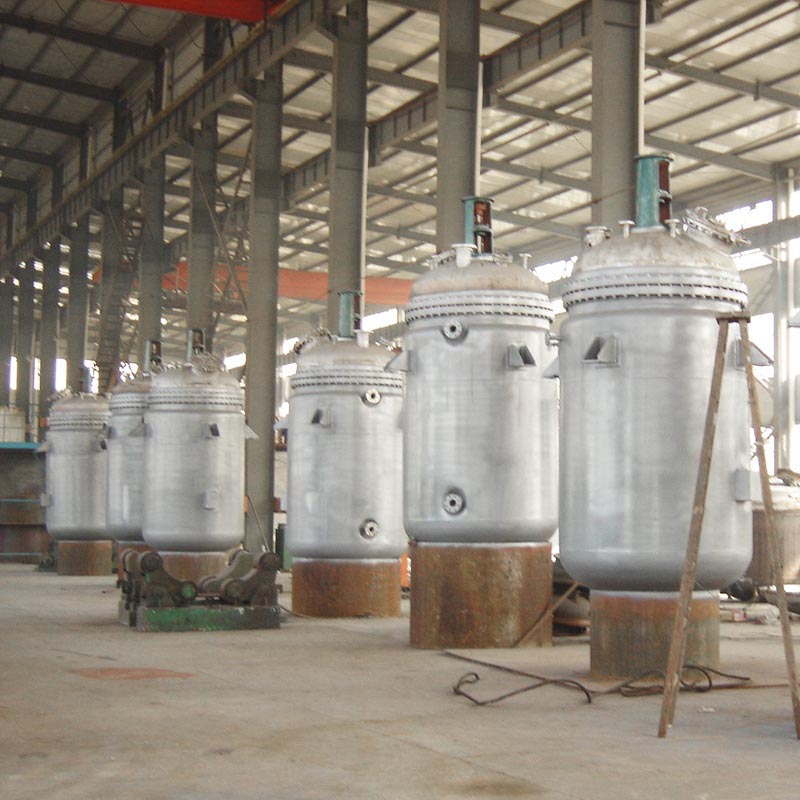
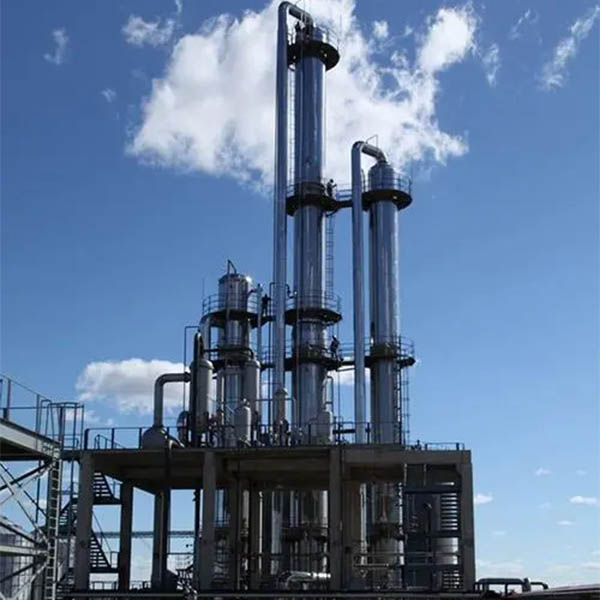
In modern industrial separation and purification technologies, the falling film molecular distillation equipment, with its efficient and precise separation capability, has become an indispensable key equipment in multiple fields. Through its unique thin-film evaporation and condensation processes, it can achieve efficient separation of substances in a low-temperature, vacuum environment, making it particularly suitable for the purification of heat-sensitive and high-value-added materials. This article will detail the application fields, working principles, and selection points of falling film molecular distillation equipment to help you fully understand this technology and make appropriate choices.
I. Core Application Fields of Falling Film Molecular Distillation Equipment
The high separation precision and low operating temperature of falling film molecular distillation equipment have enabled its wide application in multiple fields with strict requirements for purity and quality:
1. Biomedical Field
In the biomedical industry,
falling film molecular distillation equipment is mainly used for the purification of pharmaceuticals, pharmaceutical intermediates, and bioactive substances. For example, in the extraction of medical cannabidiol (CBD), it can effectively remove impurities and harmful components to obtain high-purity CBD products; for polyunsaturated fatty acids such as Omega-3, EPA, and DHA, molecular distillation can separate high-activity components to meet the purity standards of health products and pharmaceuticals. In addition, the refining of biological materials and the purification of antibiotics also rely on its efficient separation capability.
2. Food Industry
In the food industry, falling film molecular distillation equipment is commonly used for the separation of esters, fatty acids, and glycerides. For instance, in edible oil processing, it can remove off-flavor components through molecular distillation to improve oil quality; in spice purification, it can retain the natural flavor and active ingredients of spices, avoiding high-temperature damage to their aroma substances. Meanwhile, the production of food additives such as monoglycerides and diglycerides is also inseparable from molecular distillation technology to ensure product purity meets food safety standards.
3. Fine Chemical Field
In fine chemical production, falling film molecular distillation equipment can be used for oil deodorization, removal of harmful components (such as PCBs, pesticides, etc.), and preparation of high-purity chemicals. For example, in lubricating oil refining, it removes gums and impurities through molecular distillation to improve oil stability; in pesticide intermediate production, it can separate high-purity active ingredients to reduce the environmental impact of by-products.
4. Other Industrial Fields
In addition to the above fields, falling film molecular distillation equipment is also widely used in scenarios such as moisture removal, solvent recovery, and paraffin fractionation. For example, in solvent recovery processes, it can efficiently separate and recover organic solvents, reducing production costs; in paraffin fractionation, it can separate paraffin products with different melting points according to the volatility characteristics of different components to meet industrial needs.
II. Working Principle of Falling Film Molecular Distillation Equipment
The core advantage of falling film molecular distillation equipment lies in ""thin-film evaporation + vacuum separation"", and its working process mainly includes the following four key steps:
1. Liquid Distribution: Formation of Uniform Thin Film
The feed liquid enters the equipment under vacuum conditions and is evenly dispersed into an extremely thin liquid film through built-in scrapers or distributors, completely covering the heating surface. The formation of the thin film greatly increases the contact area between the liquid and the heating surface, laying the foundation for subsequent efficient evaporation.
2. Evaporation: Vaporization of Low-Boiling Components
The heating surface provides heat through a heat source (such as steam, heat transfer oil), and the low-volatile components (light components) in the liquid film quickly absorb heat and vaporize into gas in a vacuum environment. Due to the reduced boiling point of the liquid under vacuum, high-temperature damage to heat-sensitive materials is avoided, making it particularly suitable for processing easily decomposable and oxidizable substances.
3. Condensation: Conversion of Vapor into Light Distillate
The vaporized light component vapor enters the condenser and is rapidly cooled under the action of the low-temperature condensation surface, converting into liquid (i.e., light distillate). The distance between the condenser and the heating surface is precisely designed to ensure that the vapor condenses over a short distance, reducing loss and impurity mixing.
4. Collection: Separation of Light and Heavy Components
The condensed light distillate is collected through a dedicated pipeline, while the unevaporated high-volatile components (heavy components) flow down along the heating surface and are discharged from the bottom of the equipment. Through this process, efficient separation of light and heavy components is achieved, resulting in high-purity target products.
III. Selection Guide for Falling Film Molecular Distillation Equipment
Selecting a suitable falling film molecular distillation equipment requires considering the following key factors in combination with actual needs:
1. Clarify the Application Field
Different fields have significantly different performance requirements for equipment. For example, the biomedical field needs to prioritize equipment materials (such as stainless steel, glass lining, etc., to avoid material contamination) and sealing performance (to ensure high vacuum); the food industry needs to focus on equipment hygiene standards (complying with food-grade certification) and ease of cleaning. Clarifying the application scenario is the first step in selection.
2. Determine the Processing Capacity
Choose equipment with matching processing capacity according to the production scale. Small-scale equipment (usually with a processing capacity of a few to tens of liters per hour) can be selected for laboratory or pilot stages, while large-scale equipment (with a processing capacity of hundreds of liters per hour or more) is required for pilot or industrial production. Excessively small processing capacity will affect production efficiency, while excessively large capacity may cause energy waste.
3. Analyze Material Properties
The viscosity, heat sensitivity, corrosiveness, and other properties of materials directly affect equipment structural design. For example, high-viscosity materials require equipment with strong stirring or special scraper structures to ensure uniform liquid film distribution; corrosive materials require corrosion-resistant materials (such as Hastelloy, titanium, etc.); heat-sensitive materials require focus on the equipment's vacuum degree and heating temperature control accuracy.
4. Reasonably Plan the Budget
On the premise of meeting performance requirements, select cost-effective equipment in combination with the budget. It should be noted that the operating costs of the equipment (such as energy consumption, maintenance costs) should also be considered to avoid high long-term use costs due to low initial investment.
Conclusion
As an efficient separation technology, falling film molecular distillation equipment plays an important role in the biomedical, food industry, fine chemical, and other fields. Through the synergistic effect of thin-film evaporation and vacuum condensation, it achieves high-precision separation of materials, especially suitable for processing heat-sensitive and high-value-added substances. When selecting equipment, factors such as application field, processing capacity, material properties, and budget should be considered to choose the most suitable equipment for one's own needs, thereby improving production efficiency and product quality.
We hope this article can help you understand falling film molecular distillation equipment. If you need to further discuss specific application details, please feel free to communicate at any time."