Working Principles of Alcohol Recovery Towers
Alcohol recovery towers operate on the principle of differential distillation, leveraging the distinct boiling points and relative volatility of alcohol (ethanol, boiling point 78.5℃) and water (boiling point 100℃) to separate and purify alcohol from dilute aqueous solutions. The separation process is a continuous cyclic operation consisting of four core stages:
1. Feed Pretreatment
The dilute alcohol-containing feed liquid (e.g., pharmaceutical fermentation broth, food processing wastewater, chemical solvent waste) is preheated to a temperature close to its boiling point via a heat exchanger. This step recovers waste heat from the tower’s top vapor or bottom residue, reducing the energy consumption required for subsequent vaporization. The preheated feed is then introduced into the middle section of the tower, matching the optimal concentration zone to enhance separation efficiency.
2. Vaporization and Fractionation
Inside the tower, the feed liquid flows downward, while the bottom reboiler heats the liquid at the tower base to generate vapor. As the vapor rises countercurrently to the descending liquid, intensive mass and heat transfer occur at the interface between the two phases. Since alcohol has a lower boiling point and higher relative volatility than water, it preferentially vaporizes into the rising vapor stream, while water-rich liquid flows to the tower bottom. This repeated vaporization-condensation process achieves progressive enrichment of alcohol in the vapor phase.
3. Reflux and Purification
The alcohol-rich vapor reaching the tower top is condensed into liquid by the condenser. A portion of this condensed liquid is extracted as the finished product (with alcohol purity adjustable between 95% and 99.9% by controlling process parameters), and the remaining portion flows back into the tower as reflux liquid. The reflux liquid serves as a "scrubbing medium" for the rising vapor, condensing water and other impurities in the vapor while re-vaporizing the alcohol dissolved in the liquid, thus ensuring high-purity alcohol recovery. The reflux ratio— the ratio of reflux liquid to product output— is the key parameter regulating separation precision and energy consumption.
4. Product Collection and Residue Discharge
The high-purity liquid alcohol collected from the tower top is stored in a finished product tank for reuse in production processes. The water-rich residue at the tower bottom, which contains minimal alcohol, is discharged after heat recovery or further treated to meet environmental discharge standards. For systems requiring ultra-high purity alcohol, the recovered product can undergo secondary distillation or molecular sieve dehydration to achieve anhydrous alcohol specifications (≥99.95%).
Most industrial
alcohol recovery towers adopt vacuum distillation technology, operating at an absolute pressure of 0.05–0.08 MPa. This reduces the boiling point of the alcohol-water mixture, avoiding thermal degradation of heat-sensitive components in the feed liquid and further cutting down energy consumption of the reboiler.
Core Structure of Alcohol Recovery Towers
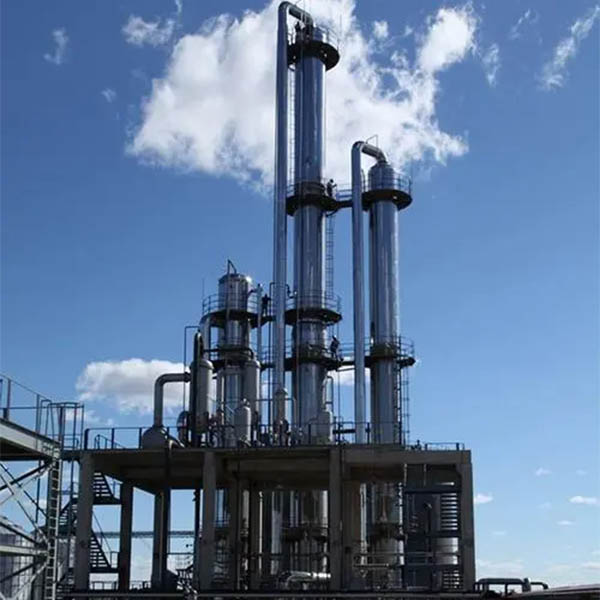
An industrial alcohol recovery tower is a compact, integrated system composed of tower body, tower internals, and auxiliary energy-saving systems, each component optimized for high-efficiency separation and low energy consumption:
1. Tower Body
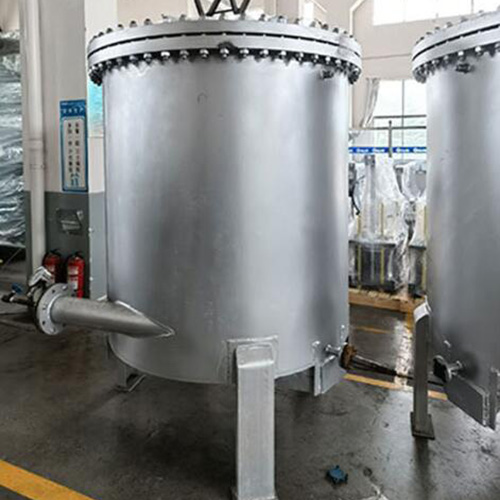
The tower body is a vertical cylindrical pressure vessel, typically constructed from stainless steel 304/316L to resist corrosion from alcohol and acidic/alkaline impurities in the feed liquid. Its height and diameter are determined by the feed flow rate and target alcohol purity: taller towers with more separation stages deliver higher purity, while larger diameters accommodate higher processing capacities. The tower body is equipped with a thermal insulation layer to minimize heat loss during operation.
2. Tower Internals
Tower internals are critical for enhancing vapor-liquid contact efficiency, with two main types widely used in alcohol recovery towers:
- Packed Internals: Random packings (Pall rings, Intalox saddles) or structured packings (metal corrugated packings) are filled in the tower. They provide a large specific surface area for vapor-liquid contact, reduce pressure drop, and improve separation efficiency. Packed towers are suitable for small-to-medium processing capacities and high-purity alcohol recovery requirements.
- Tray Internals: Sieve trays or float valve trays are installed at intervals inside the tower. Each tray acts as an independent separation stage, enabling stable operation across a wide load range. Tray towers are preferred for large-scale industrial applications due to their high processing capacity and easy maintenance.
3. Auxiliary Energy-saving Systems
- Reboiler: Uses steam, thermal oil, or waste heat from industrial processes as the heat source to vaporize the bottom liquid. Kettle-type or thermosiphon reboilers are commonly adopted for their high heat transfer efficiency.
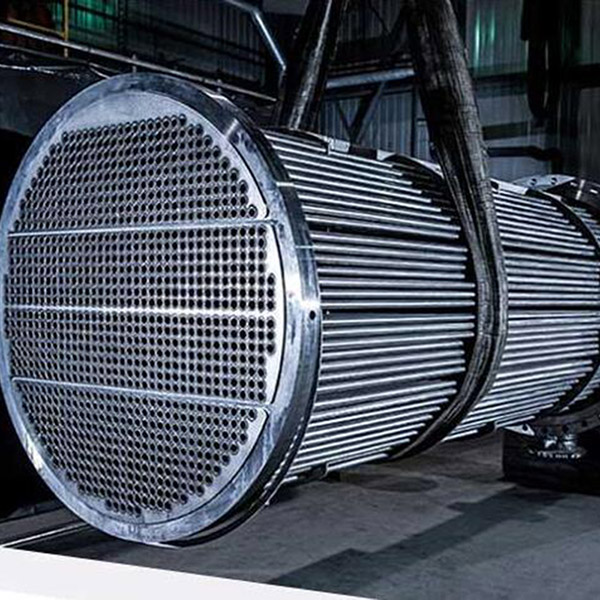
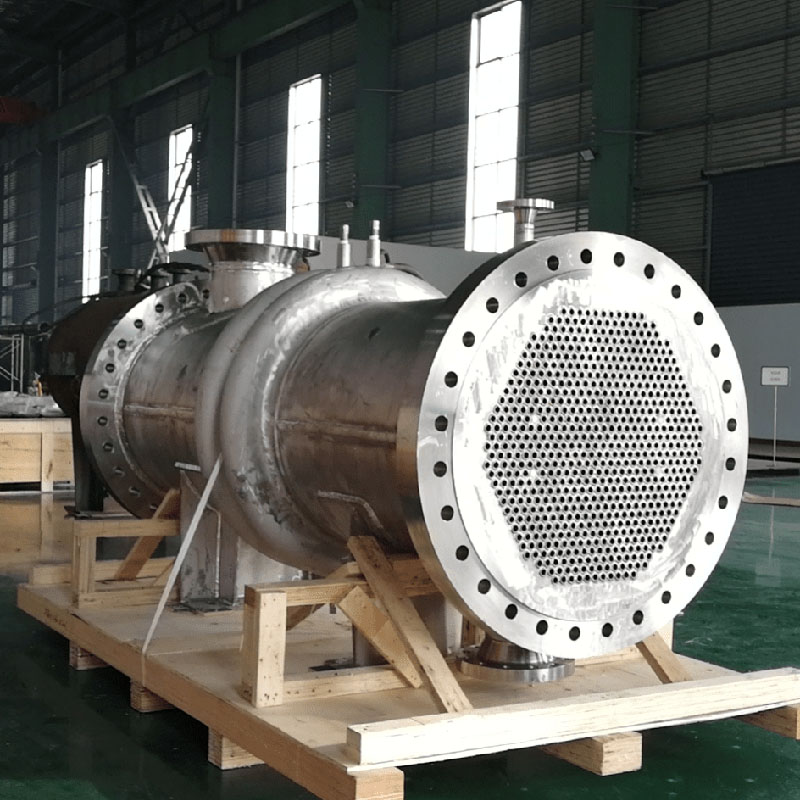
- Condenser: Condenses the top alcohol vapor into liquid. Shell-and-tube or plate heat exchangers are used, with cooling water or chilled water as the cooling medium. Waste heat from the condenser can be recycled to preheat the feed liquid.
- Reflux Tank: Stores the condensed liquid, separates non-condensable gases, and stabilizes the reflux ratio through level control.
- Vacuum System: Composed of a vacuum pump and a condensate receiver, it maintains the tower’s vacuum environment, reduces the boiling point of the feed liquid, and lowers energy consumption.
- Heat Integration Unit: Recovers heat from the tower top vapor and bottom residue to preheat the feed liquid, reducing the heat input of the reboiler by 20–30%.
High-efficiency Energy-saving Characteristics
Alcohol recovery towers are designed with multiple energy-saving technologies, making them a core equipment for achieving green production and industrial upgrading:
1. Multi-effect Distillation Technology
By connecting 2–4 alcohol recovery towers in series, the secondary steam generated by the previous effect is used as the heat source for the next effect. This technology reduces raw steam consumption by 50–70% compared to single-effect distillation, significantly lowering the operating cost of alcohol recovery. It is widely used in large-scale alcohol recovery projects in the pharmaceutical and food industries.
2. Heat Pump Coupling Technology
The heat pump system compresses the low-temperature tower top vapor to raise its temperature and pressure, then uses it as the heat source for the reboiler. This technology eliminates the need for external steam input in most cases, reducing energy consumption by more than 80% compared to traditional distillation processes. It is particularly suitable for small-to-medium scale alcohol recovery systems with stable feed flow rates.
3. Waste Heat Recovery and Reuse
The high-temperature residue discharged from the tower bottom and the hot condensate from the condenser are used to preheat the raw feed liquid through heat exchangers. This heat integration measure recovers waste heat that would otherwise be discharged, improving the overall thermal efficiency of the system by 25–35%.
4. Vacuum Distillation for Energy Reduction
Under vacuum conditions, the boiling point of the alcohol-water mixture is reduced by 15–30℃, which not only reduces the heat load of the reboiler but also avoids thermal degradation of heat-sensitive components in the feed liquid. This dual advantage makes vacuum alcohol recovery towers the preferred choice for pharmaceutical and food processing industries.
Typical Industrial Applications
With their high recovery efficiency, energy-saving performance and environmental protection advantages, alcohol recovery towers are widely used in multiple industries to realize resource recycling and cost reduction:
1. Pharmaceutical Industry
This is the largest application field of alcohol recovery towers. In the production of antibiotics, traditional Chinese medicine extracts, and APIs, alcohol is used as a solvent for extraction and purification. Alcohol recovery towers recover dilute alcohol from fermentation broths and extraction waste liquids, with recovery rates reaching over 95%. The recovered alcohol can be reused directly after purification, reducing raw material costs and environmental pollution.
2. Food and Beverage Industry
In the production of liquor, beer, fruit juice, and edible vinegar, alcohol recovery towers are used to recover alcohol from fermentation liquids and distillation residues. For example, in fruit juice concentration, alcohol is used as a dehydration agent, and the recovery tower recycles the dilute alcohol for repeated use, avoiding the waste of food-grade alcohol and reducing production costs.
3. Chemical Industry
In the production of organic chemicals, coatings, and adhesives, alcohol recovery towers separate and recover alcohol from mixed solvent waste liquids. This not only reduces the consumption of organic solvents but also meets the strict environmental discharge standards for industrial wastewater.
4. Environmental Protection Industry
For industrial wastewater containing high concentrations of alcohol (e.g., wastewater from pharmaceutical, food, and chemical plants), alcohol recovery towers recover alcohol resources from the wastewater, reducing the chemical oxygen demand (COD) of the wastewater and lowering the difficulty of subsequent biochemical treatment. This realizes the dual goals of resource recycling and environmental protection.