Distillation is a time-honored separation technology with centuries of industrial application, designed to fractionate homogeneous mixtures into their constituent components. From crude oil refining and alcoholic beverage production to essential oil extraction and chemical purification, the fundamental principles of distillation remain consistent across diverse sectors. At the core of this process lies the distillation column—a sophisticated piece of process equipment that enables precise and efficient separation. This article delves into the operational mechanisms of distillation columns, with a focus on fractional distillation, continuous distillation systems, and the underlying thermodynamic and engineering principles that govern their performance.
Distillation is fundamentally a separation method founded on the differential volatility of mixture components, which manifests as variations in their boiling points at a given pressure. When a liquid mixture is subjected to controlled heating, the component with the lowest boiling point (highest volatility) exhibits the highest vapor pressure and vaporizes preferentially. This vapor phase is then condensed back into a liquid through heat exchange, thereby achieving separation from the less volatile components of the mixture.
Fractional distillation represents a sophisticated variant of simple distillation, optimized for separating multicomponent mixtures where the relative volatility of adjacent components is low (i.e., boiling points are closely spaced). In fractional distillation, the mixture is fed into the column and heated to induce vaporization; as each component reaches its respective boiling point under column conditions, it vaporizes and ascends through the column, where it undergoes multiple stages of vapor-liquid contact. This method is particularly pivotal in the petrochemical industry, where it is employed to fractionate crude oil into high-value products such as gasoline, diesel fuel, kerosene, jet fuel, and lubricating oils.
Continuous distillation is an engineered process wherein the feed mixture is continuously introduced into the distillation column, while separated components (distillates and residues) are withdrawn in a steady-state manner without interrupting the operational flow. This configuration is specifically designed for large-scale industrial applications requiring high throughput and process continuity, such as those in chemical plants, oil refineries, and bulk pharmaceutical manufacturing facilities.
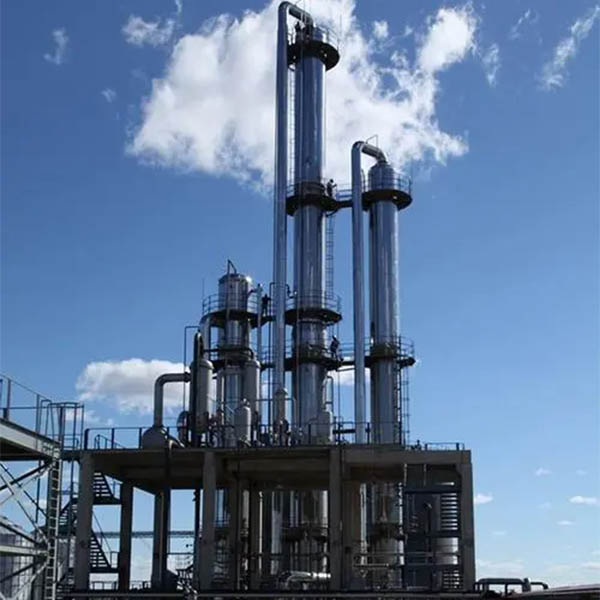
A distillation column is a complex assembly of critical components, each performing a distinct and indispensable role in the separation process:
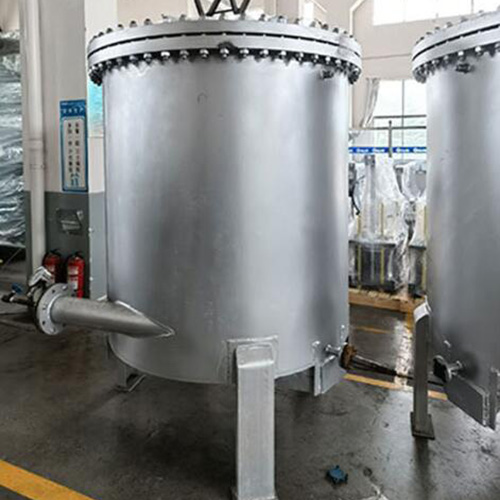
- Column Shell: The primary pressure vessel that encapsulates all internal internals. Constructed from corrosion-resistant materials such as stainless steel, carbon steel (with appropriate liners), or specialty alloys, it is engineered to withstand the high temperatures, pressures, and chemical environments inherent to distillation operations.
- Internal Internals: These include tray internals (e.g., sieve trays, valve trays, bubble cap trays) or structured/random packing materials. Trays are horizontal plates with specialized openings (weirs, downcomers, perforations) that facilitate intimate vapor-liquid contact. Packing materials—comprising structured elements (e.g., corrugated sheets, grids) or random particles (e.g., Pall rings, Raschig rings, saddle packings)—provide a large specific surface area to enhance interfacial contact between vapor and liquid phases, thereby promoting mass and heat transfer.
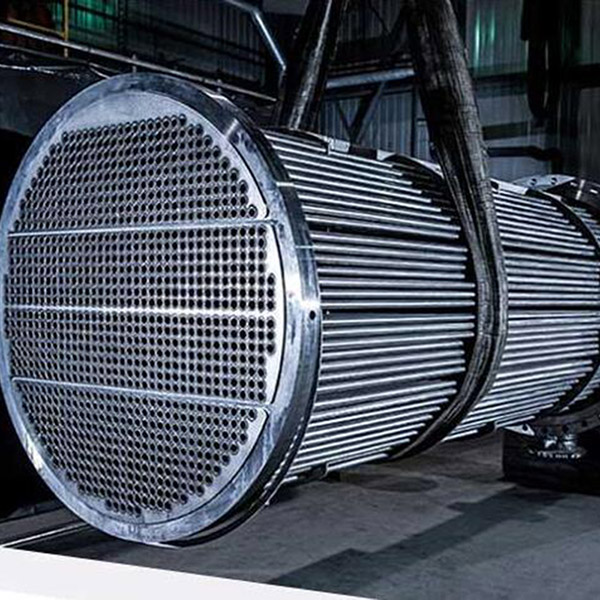
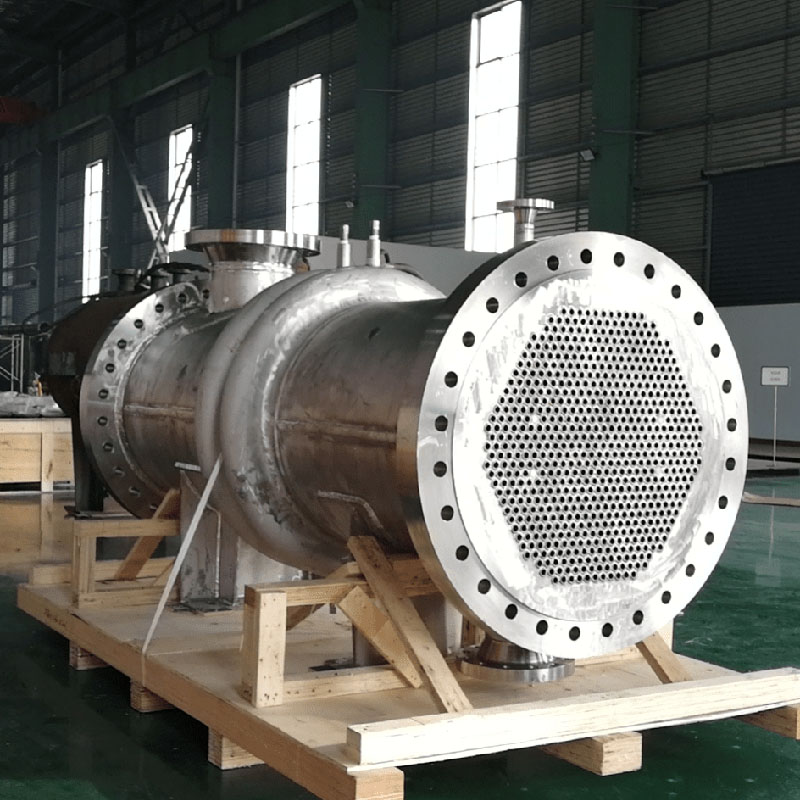
- Reboiler: A heat exchanger situated at the column base, tasked with vaporizing a portion of the column bottoms (residue) to generate the ascending vapor flow required for separation. Common reboiler types include kettle reboilers, thermosyphon reboilers, and forced-circulation reboilers, selected based on process conditions and fluid properties.
- Condenser: A heat exchanger located at the column overhead, which condenses the overhead vapor stream into a liquid distillate. Condensers may be air-cooled or water-cooled, and their design is critical to ensuring complete condensation and efficient recovery of the volatile fraction.
- Distillate and Bottoms Streams: The distillate refers to the purified, high-volatility component(s) collected from the condenser, while the bottoms (residue) consist of the less volatile components retained at the column base after separation.
The operation of a
distillation column is governed by three core principles: Vapor-Liquid Equilibrium (VLE), reflux, and pressure-temperature control.
- Vapor-Liquid Equilibrium (VLE): A thermodynamic state where the rate of vaporization of liquid components equals the rate of condensation of vapor components, resulting in a dynamic balance between phases. VLE is the fundamental driver of separation, as it dictates the equilibrium composition of vapor and liquid phases at each stage of the column. The phase equilibrium relationship is typically represented by equilibrium curves (e.g., x-y diagrams) derived from thermodynamic models or experimental data.
- Reflux: A key operational parameter that enhances separation efficiency and distillate purity. A portion of the condensed distillate (reflux) is returned to the column top, where it countercurrently contacts the ascending vapor stream. This countercurrent flow increases the interfacial contact time between phases, facilitating the transfer of volatile components from the liquid to the vapor and non-volatile components from the vapor to the liquid—thereby refining the separation.
- Pressure and Temperature Control: Maintaining precise pressure within the column is critical for regulating temperature profiles and sustaining VLE conditions. Since boiling points are pressure-dependent, adjusting column pressure allows for the manipulation of phase equilibrium, enabling the separation of components with marginal differences in boiling points. Temperature sensors (thermocouples, RTDs) strategically placed along the column height provide real-time data to adjust reboiler heat input, condenser cooling, and reflux ratio, ensuring stable operation.
The selection of distillation column type and optimal sizing is a critical engineering decision that directly impacts process efficiency, cost-effectiveness, and product quality. Key considerations include:
- Mixture Properties: Thermodynamic characteristics (e.g., relative volatility, VLE behavior, azeotrope formation), physical properties (viscosity, density, corrosivity), and composition complexity (number of components, concentration ranges).
- Process Requirements: Target purity specifications for distillate and bottoms, production throughput, and operational constraints (e.g., temperature/pressure limits, energy availability).
- Column Types: Common configurations include tray columns (sieve, valve, bubble cap), packed columns (structured, random), and hybrid designs. Tray columns are robust and suitable for high-liquid-loading applications, while packed columns offer superior mass transfer efficiency for low-pressure or corrosive systems. Bubble cap columns, though less common today, are preferred for systems requiring high turndown ratios or handling foamy liquids.
- Sizing Considerations: Column diameter is determined by vapor and liquid flow rates to avoid flooding (excessive liquid accumulation) or weeping (liquid bypassing trays/packing). Column height is dictated by the number of theoretical stages required to achieve the desired separation, which is derived from VLE data and reflux ratio calculations. Engineers must balance capacity, efficiency, and capital costs to design a column that meets process objectives.
Continuous distillation systems are the workhorses of large-scale industrial processes, operating continuously in a steady-state mode (typically 24 hours a day, 7 days a week). Their design is optimized for high-volume production, making them indispensable for industries such as oil refining, petrochemical manufacturing, and bulk chemical production. Key advantages of continuous distillation include:
- Operational Efficiency: Steady-state operation minimizes unplanned downtime and maximizes production throughput, reducing energy waste associated with batch startup/shutdown cycles.
- Product Consistency: Stable process conditions (temperature, pressure, reflux ratio) ensure a uniform product quality profile, critical for meeting regulatory standards and downstream process requirements.
- Economic Viability: By eliminating batch changeover time and optimizing labor, energy, and raw material utilization, continuous distillation reduces per-unit production costs, making it cost-competitive for large-scale operations.
Distillation columns are a foundational unit operation across a wide range of industries, enabling the production of essential products and intermediates:
- Petroleum Refining: Fractionating crude oil into value-added products (gasoline, diesel, jet fuel, kerosene, lubricating oils) and processing intermediate streams (e.g., naphtha reforming, hydrocracking feedstock purification).
- Chemical Manufacturing: Purifying bulk chemicals (methanol, ethanol, ethylene glycol), solvents (acetone, toluene, hexane), and petrochemical intermediates (ethylene, propylene) for use in polymer production, specialty chemicals, and industrial processes.
- Food and Beverage: Producing distilled spirits (whiskey, vodka, rum) via fermentation-distillation sequences and concentrating essential oils, flavors, and fragrances through steam distillation.
- Pharmaceuticals and Biotechnology: Purifying active pharmaceutical ingredients (APIs), excipients, and bioproducts (e.g., amino acids, enzymes) to meet stringent regulatory purity standards (e.g., FDA, EMA) and ensure product safety and efficacy.
Distillation columns represent a cornerstone of chemical, petroleum, and process engineering, enabling the precise and efficient separation of complex multicomponent mixtures. A thorough understanding of their operational principles—from the thermodynamic fundamentals of VLE and reflux to the engineering specifics of column design and control—is essential for professionals involved in process design, optimization, and operation. Whether selecting a column type, sizing equipment, or fine-tuning operational parameters, the principles and components discussed herein provide a robust framework for mastering the science and engineering of distillation.
Ultimately, the success of a distillation process hinges on meticulous design, precise process control, and a comprehensive understanding of mixture thermodynamics. By leveraging these elements, engineers can develop distillation systems that deliver optimal separation efficiency, product quality, and economic performance—supporting the production of critical materials that drive modern industry and daily life.