Methanol Recovery Tower: Analysis of Working Principle, Structure and Applications
Release time:2026-02-05
Visits:195
In chemical production and related industries, efficient resource utilization and environmental protection have attracted increasing attention. As a key chemical equipment, the methanol recovery tower plays an important role in this context. It is specifically used to separate and recover methanol from mixtures and is widely applied in chemical, pharmaceutical, food and other fields, aiming to realize resource recycling and reduce environmental impact.
Working Principle of Methanol Recovery Tower
The core working principle of the
methanol recovery tower is based on the difference in boiling points of substances, especially the different boiling points of methanol and water. The basic process includes the following key steps: first, the mixed liquid containing methanol is introduced into the tower; then, the methanol in the mixture is evaporated to form steam by heating; during the rising process, these steams fully contact with the liquid in the tower for mass and heat transfer; finally, the rising methanol steam is condensed at the top of the tower to turn it back into liquid, thus realizing the separation and recovery of methanol. This process efficiently utilizes the difference in physical properties to achieve the purification and recovery of target substances.
Main Structural Components of Methanol Recovery Tower
A typical methanol recovery tower usually consists of the following main parts, which work together to ensure the efficient progress of the recovery process:
1. Tower Kettle: Located at the bottom of the tower, its main function is to heat the liquid mixture in the tower to make it reach a boiling state, thereby generating rising steam.
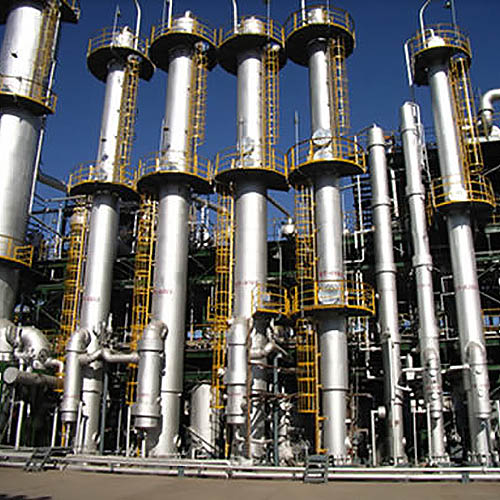
2. Tower Body: As the main structure of the tower, its interior is usually filled with special trays or packings. The function of these internal components is to greatly increase the contact area between gas and liquid phases, promote full mixing and mass exchange between steam and liquid, and it is a key area for achieving efficient separation.
3. Condenser: Installed at the top of the tower, it is responsible for cooling and condensing the methanol steam rising to the top of the tower into liquid methanol for subsequent collection and reuse.
4. Reboiler: Usually works with the tower kettle to provide continuous heat for the liquid at the bottom of the tower, ensuring sufficient rising steam and maintaining the rectification process in the tower.
5. Inlet and Outlet Pipes: Including the inlet of raw material liquid, the outlet of recovered methanol and possible residual liquid outlet, etc., which are the channels for materials to enter and exit the tower body.
Key Considerations in Methanol Recovery Tower Design
Designing an efficient methanol recovery tower requires comprehensive consideration of multiple factors. Firstly, the physical and chemical properties of each component in the mixture, such as boiling point and relative volatility, directly affect the difficulty of separation and the operating conditions of the tower. Secondly, the setting of operating conditions, such as temperature, pressure, reflux ratio, etc., has an important impact on recovery efficiency and energy consumption. In addition, the requirements for methanol recovery purity and recovery rate, as well as the processing capacity, floor space, operational safety and maintenance convenience of the equipment, are all aspects that need to be carefully weighed and optimized in the design process. Through scientific and reasonable design, the methanol recovery tower can achieve the expected separation effect and economic benefits in practical applications.
Application Fields of Methanol Recovery Tower
With its efficient separation and recovery capacity, the methanol recovery tower has been widely used in many industrial fields. In the chemical industry, it is often used for the recovery and recycling of methanol solvents after various chemical reactions; in the pharmaceutical industry, it can be used for the recovery of methanol in extraction and purification processes, helping to reduce production costs and reduce waste liquid emissions; in the food industry, methanol recovery towers may also be used in certain specific processes to handle related materials. Its application not only improves resource utilization and reduces production costs, but also meets the requirements of modern industry for green environmental protection and sustainable development.
Summary
The methanol recovery tower is an important equipment for efficient methanol recovery in industrial production. Based on the working principle of boiling point difference and combined with the carefully designed tower structure, it can effectively separate methanol from the mixture. By optimizing the design considering factors such as material properties, operating conditions and recovery requirements, it can play a significant role in chemical, pharmaceutical, food and other industries, bringing economic benefits to enterprises and contributing to environmental protection. Understanding the working principle, structural composition and application characteristics of the methanol recovery tower is of great significance for production optimization and technological upgrading in related industries."