Solvent Extraction: A Comprehensive Analysis of Principles, Methods, Applications, and Precautions
Release time:2026-05-22
Visits:159
In the field of chemical separation and purification, solvent extraction is an efficient and widely used core technology. It achieves precise separation of target substances by utilizing differences in the solubility of compounds in different solvents, playing an irreplaceable role in industrial production, scientific research experiments, and other scenarios. This article will comprehensively analyze solvent extraction technology from the aspects of principles, main methods, application fields, and precautions.
Basic Principles of Solvent Extraction
The core principle of
solvent extraction is based on the ""like dissolves like"" rule and differences in distribution coefficients. When two immiscible (or slightly miscible) solvents come into contact, the target compound will dissolve in both solvents and reach distribution equilibrium. The ratio of its concentrations in the two solvents (i.e., the distribution coefficient) determines the separation efficiency. By selecting an appropriate solvent system, compounds can be transferred from one solvent to another, achieving the purpose of separation, purification, or enrichment.
Main Methods of Solvent Extraction
1. Liquid–Liquid Extraction
Liquid–liquid extraction is the most commonly used extraction method in the chemical industry, operating between two immiscible liquid solvents, typically using an aqueous phase (polar solvent) and an organic phase (non-polar solvent) system. Since organic solvents have a stronger dissolving capacity for non-polar compounds, they can selectively transfer the target solute from the aqueous phase to the organic phase, thereby achieving separation.
Application Scenarios: Widely used in essential oil extraction (such as separation and purification of plant essential oils), separation of pharmaceutical ingredients (such as extraction of antibiotics), and refining of high-purity chemicals (such as purification of fine chemical raw materials).
2. Solid–Liquid Extraction
Solid–liquid extraction, also known as ""leaching"", is suitable for cases where the target compound exists in solid raw materials. During operation, the solvent is directly contacted with the solid material, and the desired components are transferred to the solvent through dissolution. After separation (such as filtration, centrifugation) and solvent recovery, an extract containing the target substance is obtained.
Technical Advantages: Simple operation and low cost, suitable for both small-scale laboratory extraction and large-scale industrial production.
Application Scenarios: Commonly used in caffeine extraction (from coffee beans, tea leaves), separation of plant pigments (such as preparation of natural food pigments), and extraction of natural essential oils (such as extraction of volatile oils from spice plants).
3. Special Solvent Extraction Methods
In addition to the above two basic methods, there are two special extraction technologies that perform well in specific scenarios:
- Stripping (Back Extraction): Used to transfer solutes from the organic solvent phase back to the aqueous phase for further purification or recycling. For example, in metal ion extraction, metal ions are first enriched by organic solvents, and then transferred back to the aqueous phase using stripping agents to achieve metal recovery.
- Supercritical Extraction: Uses CO₂ in a supercritical state (with both gas diffusivity and liquid solubility) as the extractant, featuring high selectivity, fast mass transfer rate, and no residual solvent, making it a green and environmentally friendly technology.
Application Scenarios: Supercritical extraction is widely used in industries with high requirements for purity and safety, such as food (e.g., extraction of natural spices), medicine (e.g., separation of active ingredients from traditional Chinese medicine), and natural cosmetics (e.g., extraction of plant active ingredients).
Wide Application Fields of Solvent Extraction
With its efficient and flexible characteristics, solvent extraction technology plays a key role in multiple industries:
1. Polymer Manufacturing
In polymer production, solvent extraction is used to remove unreacted monomers, recover organic solvents, and purify resins (such as PVA, VAE, EVA), ensuring product stability and performance.
2. Pharmaceutical and Food Processing
By extracting and separating bioactive components (such as active ingredients in Chinese herbal medicines), spices, and natural essential oils, the purity and quality of products can be significantly improved, meeting the strict safety and effectiveness requirements of the pharmaceutical and food industries.
3. Environmental Governance
In wastewater treatment, solvent extraction can effectively remove heavy metal ions (such as copper, lead, mercury) and organic pollutants, while realizing the recovery and reuse of waste solvents, reducing VOC (volatile organic compound) emissions, and helping enterprises reduce operating costs.
4. Other Fields
In addition, solvent extraction is also widely used in hydrometallurgy (metal separation and purification), nuclear energy (nuclear fuel processing), cosmetics (extraction of natural ingredients) and other industries.
Key Precautions for Solvent Extraction
To ensure extraction efficiency and operational safety, the following points should be noted in practical applications:
- Solvent and Condition Selection: Select appropriate extraction solvents based on the properties of the target compound (such as polarity, solubility), and optimize conditions such as temperature and pH to achieve the best separation effect.
- Operational Safety Protection: Most organic solvents are volatile or toxic; leakage should be avoided, protective measures (such as wearing gloves and goggles) should be taken during operation, and good ventilation should be ensured.
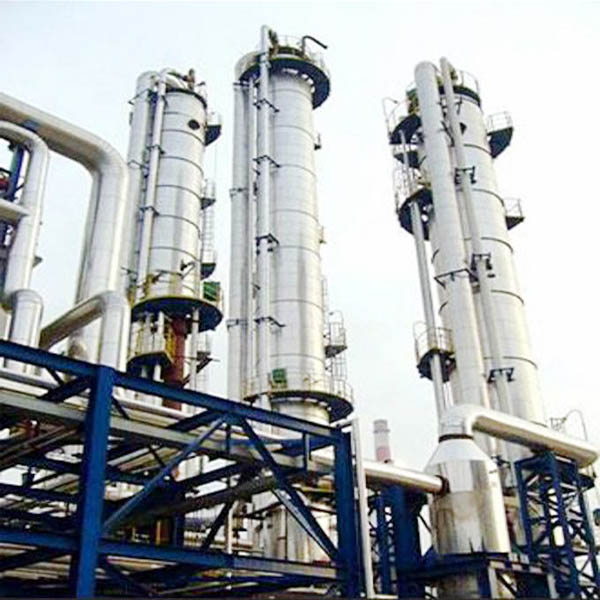
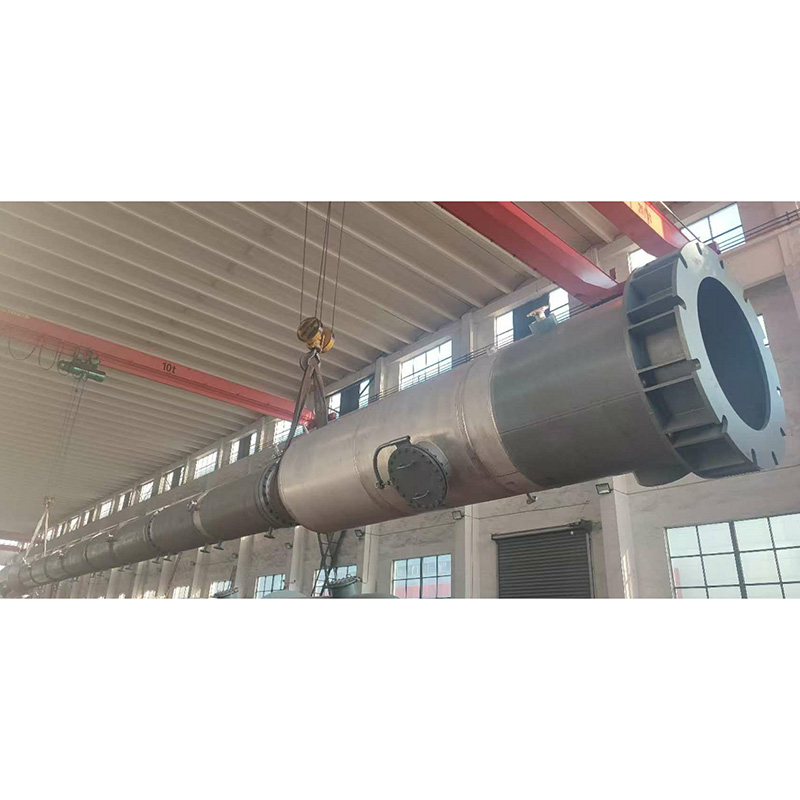
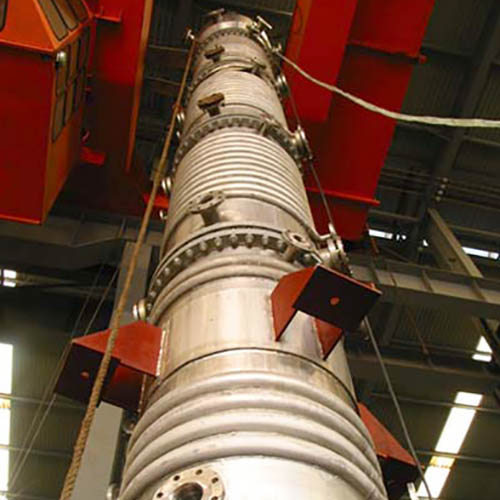
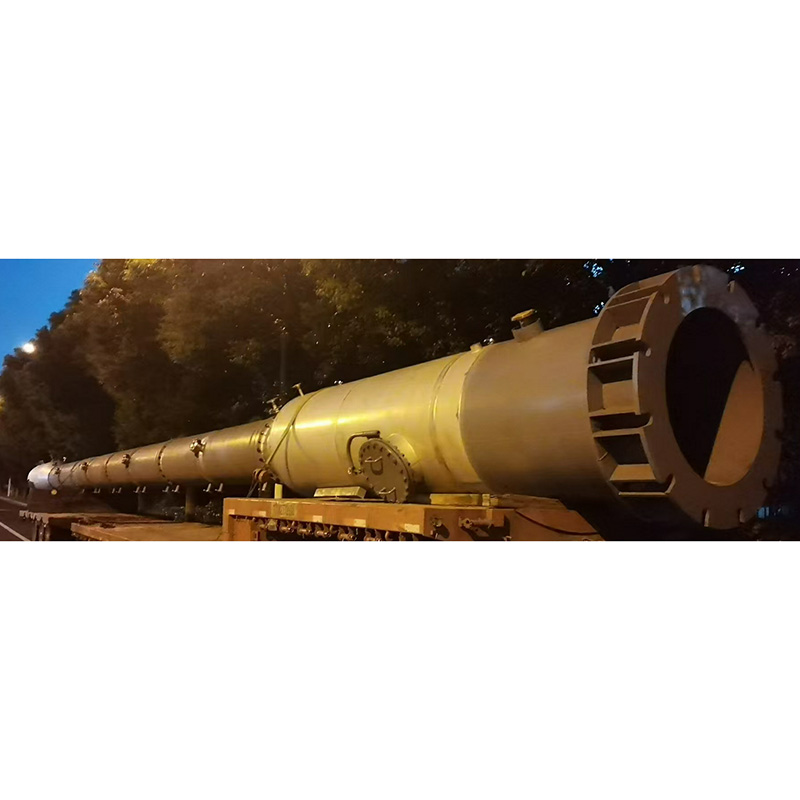
- Equipment Matching: Select appropriate extraction equipment according to the processing scale (laboratory or industrial grade), such as separatory funnels (laboratory) and extraction towers (industrial production), to improve operational efficiency.
- Subsequent Processing: After extraction, the extract needs to undergo subsequent processing such as drying and distillation to remove residual solvents and obtain high-purity target products.
Summary
As a separation technology based on solubility differences, solvent extraction has become a core unit operation in the chemical industry, medicine, environmental protection, and other fields due to its efficient and flexible advantages. Whether it is basic liquid–liquid and solid–liquid extraction, or green and environmentally friendly supercritical extraction, they all play an important role in promoting technological progress and product upgrading in various industries. By reasonably selecting methods, optimizing operating conditions, and attaching importance to safety standards, solvent extraction technology will continue to provide strong support for industrial production and scientific research innovation."