Liquid-Liquid Extraction Columns: Key Applications of High-Efficiency Separation Technology in Modern Industry
Release time:2026-04-24
Visits:208
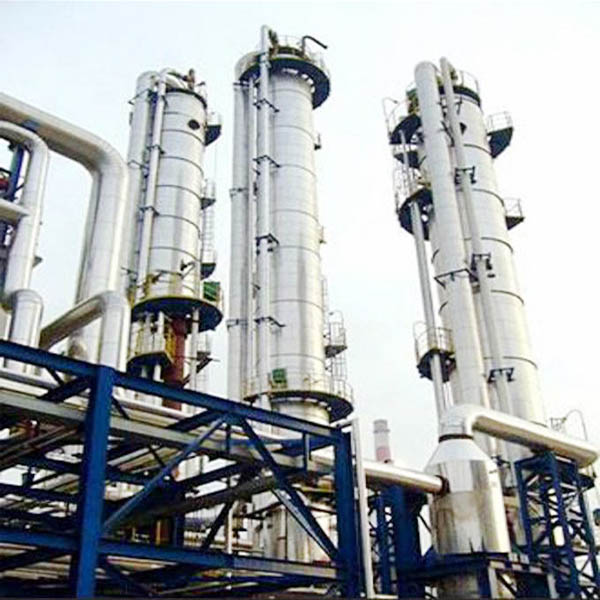
As a core separation and purification equipment, liquid-liquid extraction columns play an indispensable role in numerous modern industrial fields such as chemical engineering, pharmaceuticals, and food processing. They ingeniously utilize the solubility difference between two immiscible or sparingly soluble liquids to achieve the efficient transfer of target substances from one liquid phase to another, thereby attaining the purpose of separation and purification. This technology is of great significance for improving production efficiency, reducing costs, and minimizing environmental impact.
Wide Application Fields of Liquid-Liquid Extraction Columns
Liquid-liquid extraction columns have a very wide range of applications, covering almost all industries that require precise separation and purification processes:
Nuclear Chemical Engineering Field:
Liquid-liquid extraction columns play a crucial role in the processing of nuclear fuel and the separation and purification of nuclear materials.
Hydrometallurgical Industry: Commonly used for extracting and separating valuable metal elements, such as copper, uranium, and rare earths, from ore leach solutions.
Wastewater Treatment Field: Can effectively remove harmful substances and pollutants from industrial wastewater, realizing the purification and recycling of water resources and contributing to environmental protection.
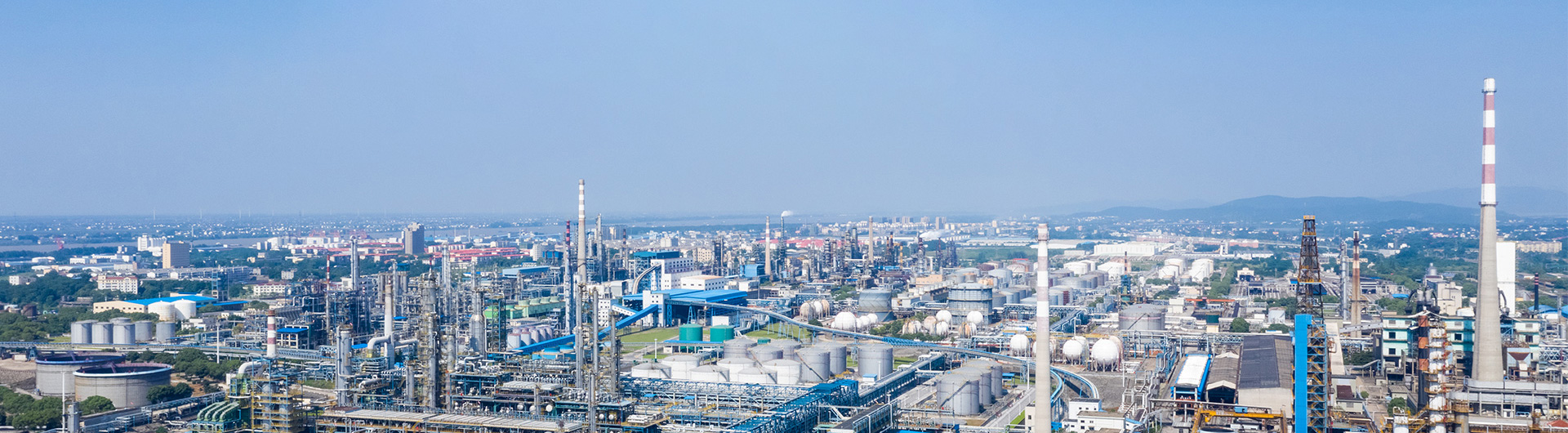
Petrochemical Industry: Liquid-liquid extraction is an important separation method in crude oil processing, product refining, and the production of specific chemicals.
Working Principle of Liquid-Liquid Extraction Columns
The core working principle of a liquid-liquid extraction column lies in utilizing the difference in solubility of substances in different solvents. When the mixed liquid to be separated comes into full contact with a selected solvent (extractant) in the column, the target components in the mixed liquid, due to their higher solubility in the extractant, will preferentially dissolve into the extractant. Through this distribution process of solute between the two phases, the separation of target components from other components is achieved. The column structure provides sufficient contact and mass transfer space for the two liquid phases.
Design of Liquid-Liquid Extraction Columns
Designing an efficient liquid-liquid extraction column requires comprehensive consideration of several key factors:
Column Diameter and Working Section Height: These are accurately calculated based on the flow rate of the liquid to be treated, the expected operating speed, and the required mass transfer efficiency to ensure sufficient residence time and contact area for the liquid in the column.
Packing Selection: Packing is the core component inside the extraction column, and its type, size, and specific surface area directly affect mass transfer efficiency and pressure drop. Common types include structured packing and random packing, which need to be selected according to specific process requirements.
Optimization of Operating Conditions: Including feed rate, ratio of solvent to raw material liquid, temperature and pressure inside the column, etc. The reasonable control and adjustment of these parameters have a significant impact on extraction efficiency and product quality.
Technological Innovation and Development of Liquid-Liquid Extraction Columns
With the advancement of science and technology, liquid-liquid extraction technology is also continuously innovating and developing:
Application of CFD Simulation Technology: Computational Fluid Dynamics (CFD) simulation technology is increasingly used in the design and optimization of extraction columns. Through CFD, the flow characteristics, mass transfer processes, and mixing effects of the fluid inside the column can be more accurately predicted, thereby optimizing the structural parameters and operating conditions of the column.
Development of New Extraction Column Structures: Researchers are constantly developing new types of extraction columns, such as some designs that combine stirring and pulse functions. These new types of columns aim to improve the frequency of breakage and coalescence of dispersed phase droplets by introducing more efficient energy input methods, thereby enhancing the mass transfer efficiency between liquid-liquid phases and improving overall extraction performance.
Practical Application Cases of Liquid-Liquid Extraction Columns
Liquid-liquid extraction columns have demonstrated their excellent application value in multiple industries:
Chemical Pharmaceuticals: In the separation and purification of pharmaceutical intermediates and the extraction of specific active ingredients, liquid-liquid extraction columns can effectively remove impurities and improve product purity and yield.
Industrial Wastewater Treatment: For industrial wastewater containing organic pollutants, heavy metal ions, etc., liquid-liquid extraction columns can selectively transfer pollutants to the extract phase, realizing the purification treatment of wastewater and meeting environmental discharge standards.
Hydrometallurgy: Such as extracting rare metals or precious metals from low-grade ore slurries, liquid-liquid extraction columns are key equipment for achieving efficient separation and enrichment.
Through the rational application of liquid-liquid extraction columns, industrial production can more effectively utilize resources, reduce raw material losses, decrease energy consumption, and significantly reduce negative environmental impacts, contributing to sustainable development."