Chemical Distillation Columns: A Comprehensive Analysis of Working Principles, Design Key Points, and Application Fields
Release time:2026-04-20
Visits:227
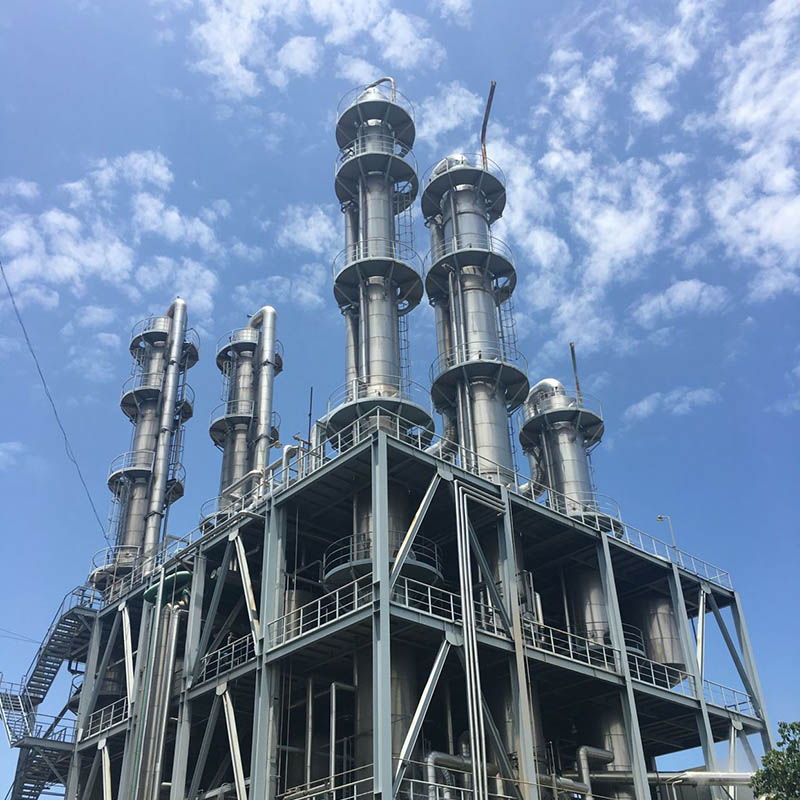
Chemical distillation columns are key equipment for separating liquid mixtures in industrial production and play an indispensable role in numerous chemical processes. Through scientific principles and precise design, they separate complex mixtures into components with specific purity, providing high-quality raw materials for subsequent production and processing.
Working Principles of Chemical Distillation Columns
The core working principle of
chemical distillation columns is based on the natural differences in volatility among components in a mixture. Simply put, when a liquid mixture is heated, the more volatile components (i.e., substances with lower boiling points) are more likely to turn into a gaseous state. These vaporized vapors rise within the column and then are converted back into a liquid state through a condensation process at the top of the column or specific areas within the column. Through this cyclic ""evaporation-condensation"" process, the distillation column can gradually separate and extract components with different volatilities from the mixture, ultimately achieving the purification of target components.
Main Application Fields of Chemical Distillation Columns
With their efficient separation capabilities, chemical distillation columns are widely used in several important industrial fields:
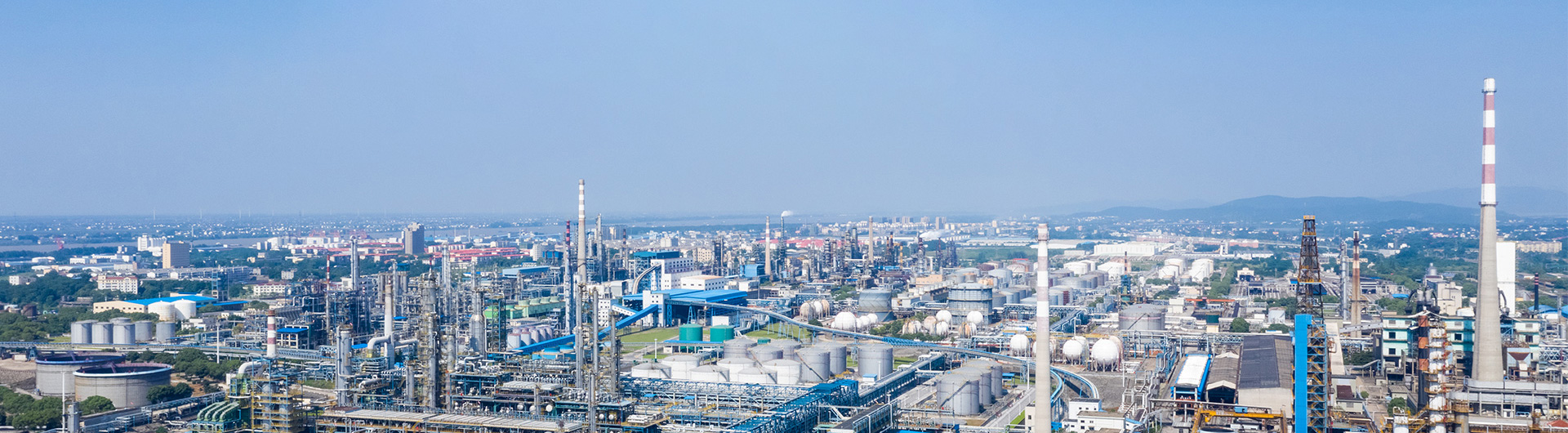
Petrochemical Industry: In the refining process of crude oil, distillation columns are used to separate different fractions such as gasoline, diesel, and kerosene.
Chemical Industry: Used in processes such as separation, purification of various chemical compounds, and solvent recovery.
Pharmaceutical Industry: In the drug production process, raw materials and intermediate products are purified to ensure drug quality.
Design Considerations for Chemical Distillation Columns
Designing an efficient and economical chemical distillation column requires comprehensive consideration of multiple factors:
1. Material Properties: Including the properties, concentration, corrosiveness, viscosity, and thermal sensitivity of each component in the mixture, which directly affect column type selection and internal structure design.
2. Gas-Liquid Load: That is, the flow rates of gas and liquid passing through the column per unit time, which is an important basis for determining key dimensions such as column diameter.
3. Pressure Drop: The pressure loss within the column needs to be controlled within a reasonable range to ensure operational energy consumption and equipment stability.
4. Separation Effect: This is the core goal of the design, requiring the achievement of expected product purity and separation efficiency.
5. Equipment Function and Cost: Under the premise of meeting process requirements, it is necessary to balance the realization of equipment functions, operational convenience, and the cost per unit volume, striving for economy and practicality.
Based on the above factors, an appropriate type of column equipment, such as the common plate column or packed column, is usually selected during design. Subsequently, according to specific process parameters and material properties, the diameter, height of the column, and the specific forms and dimensions of internal components (such as trays, packings, distributors, etc.) are accurately calculated and determined.
Efficient and Stable Operation and Maintenance of Chemical Distillation Columns
In practical applications, the design and operation of chemical distillation columns is a systematic project that requires comprehensive coordination of various parameters to achieve efficient, stable, and economical separation effects. Operators need to closely monitor key indicators such as temperature, pressure, and flow rate within the column and adjust operating conditions in a timely manner.
At the same time, regular maintenance is crucial to ensure the long-term stable operation of the distillation column. This includes inspecting, cleaning, and performing necessary repairs and replacements on the column body, internal components, heating and condensation systems, etc., to prevent failures, extend equipment service life, and ensure the continuity and safety of production.
In summary, as a basic and key separation equipment, the reasonable design, precise operation, and scientific maintenance of chemical distillation columns play a pivotal role in improving the efficiency of the entire chemical production process and product quality."