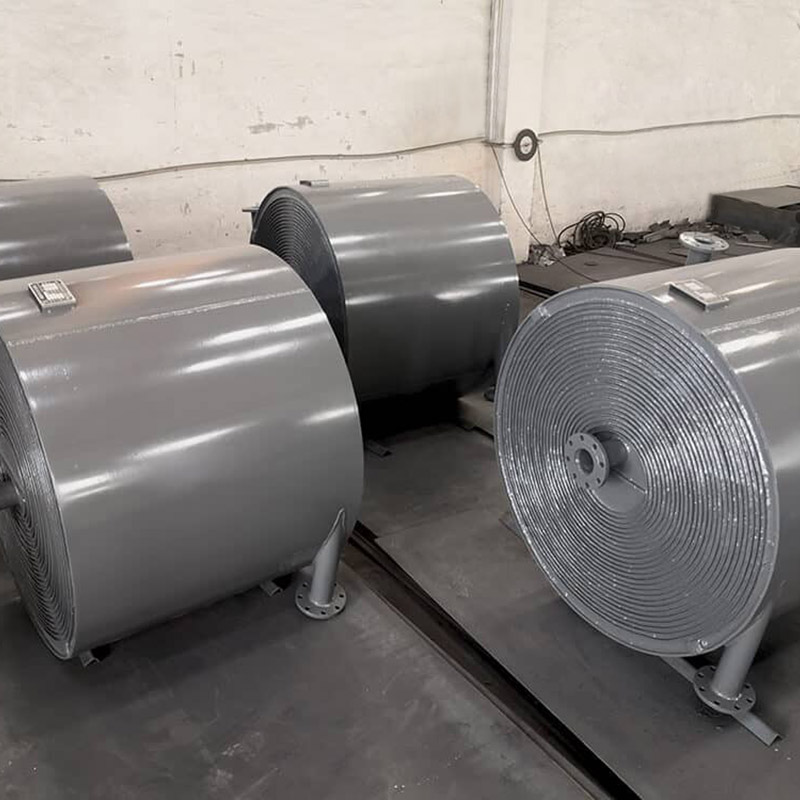
Heat exchange equipment is a core device for achieving efficient energy utilization in modern industrial, domestic, and scientific research fields. By transferring heat between different fluids, it meets critical needs such as temperature regulation and energy recovery. Whether for heating and cooling in industrial production, air conditioning systems in daily life, or precise temperature control in scientific experiments, heat exchange equipment plays an indispensable role. This article will comprehensively analyze the core knowledge of heat exchange equipment from classification and working principles to procurement key points, helping you better understand and select suitable equipment.
I. Classification of Heat Exchange Equipment: Divided by Core Characteristics
Heat exchange equipment comes in various types, with different classification standards corresponding to different application scenarios. Understanding the classification logic is the first step in selecting equipment.
1. By Heat Transfer Method: Differences Between Direct Contact and Indirect Transfer
The heat transfer method is the most core classification basis for heat exchange equipment, directly determining the efficiency of heat transfer and applicable scenarios.
- Direct Contact Heat Exchangers: Two fluids directly contact, mix, and exchange heat without an intermediate medium. Typical examples include cooling towers (achieving cooling through direct contact between air and water) and evaporative coolers (utilizing the principle of liquid evaporation to absorb heat). These devices have simple structures and are suitable for scenarios where fluid mixing is allowed.
- Indirect Contact Heat Exchangers: Two fluids are separated by a solid wall (usually metal), and heat is transferred through the wall to avoid fluid mixing. This is the most common type in industry, mainly including:
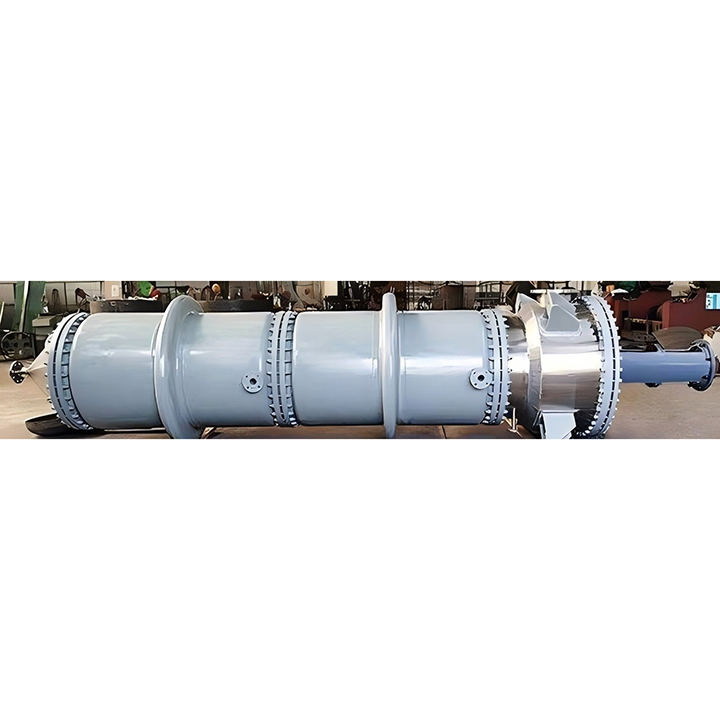
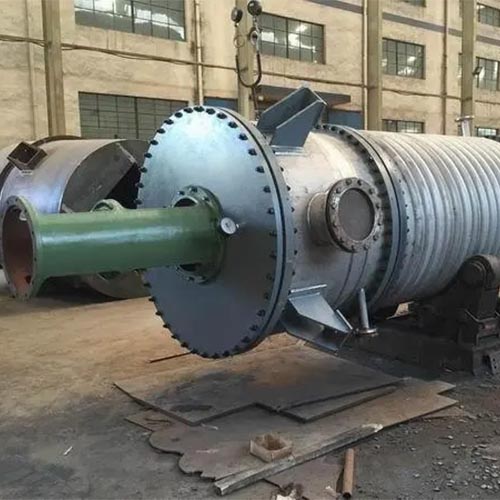
- Shell-and-Tube Heat Exchangers: Composed of a shell and tube bundle, one fluid flows inside the tubes, and the other flows outside the tubes (inside the shell), transferring heat through the tube walls. They have a sturdy structure, adapt to high-pressure environments, and are widely used in petroleum, chemical, and other fields.
- Plate Heat Exchangers: Composed of multiple stacked metal plates, with fluid channels formed between the plates, and fluids flow countercurrently on both sides of the plates. They are small in size, light in weight, and have a heat transfer efficiency 30%-50% higher than shell-and-tube heat exchangers, suitable for scenarios with limited space and high efficiency requirements (such as food processing and HVAC systems).
- Finned Tube Heat Exchangers: Fins are added outside metal tubes to significantly expand the heat transfer area, especially suitable for heat exchange between gas and liquid (such as evaporators and condensers in air conditioners), which can effectively improve the heat transfer efficiency on the gas side.
2. By Fluid Flow Pattern: Flow Direction Affects Heat Transfer Effect
The flow direction of fluids in the heat exchanger directly affects the temperature difference distribution and heat transfer efficiency. There are three common flow patterns:
- Parallel Flow Heat Exchangers: Two fluids flow in the same direction, with the maximum temperature difference at the inlet, which gradually decreases as they flow. The advantage is that the temperature difference between the inlet and outlet of the device is small, requiring low material requirements, but the heat transfer efficiency is relatively low.
- Counter Flow Heat Exchangers: Fluids flow in opposite directions, maintaining a large temperature difference throughout the process, with the highest heat transfer efficiency. It is the preferred flow pattern in industry (such as heat exchangers in heating systems).
- Cross Flow Heat Exchangers: Fluids flow in a cross direction in the heat exchanger (such as air flowing transversely through a tube bundle). The heat transfer efficiency is between parallel flow and counter flow, with a flexible structure, suitable for gas-liquid heat exchange scenarios (such as automobile radiators).
3. By Use: Targeted to Meet Scenario Requirements
According to specific functions, heat exchange equipment can be divided into multiple dedicated types, directly corresponding to different application goals:
- Heaters: Heat cold fluids to a specified temperature (such as material preheating in industrial production);
- Coolers: Reduce the temperature of hot fluids (such as engine oil cooling, hydraulic system cooling);
- Condensers: Condense gaseous substances into liquids (such as refrigerant condensation in refrigerators);
- Evaporators: Evaporate liquid substances into gases (such as refrigerant evaporation and heat absorption in air conditioners);
- Reboilers: Used in distillation processes to heat liquids to boiling to generate steam;
- Preheaters: Preheat materials entering reaction equipment to improve reaction efficiency.
II. Working Principles of Heat Exchange Equipment: Core Logic of Heat Transfer
The essence of heat exchange equipment is to realize energy transfer through heat transfer, and its working principle is based on the basic methods of heat transfer in thermodynamics: convection, conduction, and radiation.
1. Three Basic Methods of Heat Transfer
- Convection: Heat exchange is achieved through the flow and mixing of fluids (liquids or gases). For example, in a cooling tower, air contacts water, and the heat of the water is transferred to the air through convection to achieve cooling.
- Conduction: Heat is transferred through the molecular motion inside solid materials. In indirect contact heat exchangers, heat is conducted from the high-temperature fluid to the low-temperature fluid through the metal wall (such as tube walls, plates).
- Radiation: Heat is transferred through electromagnetic waves (such as infrared rays) without a medium. Although it accounts for a low proportion in conventional heat exchange equipment, it cannot be ignored in high-temperature scenarios (such as industrial furnaces).
2. How Do Equipment Achieve Heat Exchange?
The core of heat exchange equipment is to strengthen convection and conduction processes by designing fluid channels and heat transfer surfaces:
The high-temperature fluid (heat source) and low-temperature fluid (cold source) flow through different channels in the equipment and contact through the intermediate heat transfer surface (such as tube walls, plates). The heat of the high-temperature fluid is first transferred to the heat transfer surface through conduction, and then to the low-temperature fluid through convection, ultimately realizing the transfer of heat from the high-temperature side to the low-temperature side, achieving the purpose of temperature regulation or energy recovery.
III. Procurement Guide for Heat Exchange Equipment: Key Factors and Selection Suggestions
When purchasing heat exchange equipment, it is necessary to comprehensively evaluate based on actual needs to avoid blind selection. The following are the core considerations:
1. Clarify the Application Scenario
Different scenarios have significantly different requirements for equipment: industrial production may require high-pressure, corrosion-resistant shell-and-tube heat exchangers; household or commercial air conditioners are more suitable for efficient and compact plate heat exchangers; and gas heat exchange scenarios (such as air treatment) prefer finned tube heat exchangers.
2. Analyze Fluid Properties
The type of fluid (water, oil, gas, etc.), temperature (high temperature requires temperature-resistant materials), pressure (high-pressure scenarios require a sturdy structure), and corrosivity (acid-base fluids require corrosion-resistant materials such as stainless steel) directly determine the material and structural design of the equipment. For example, when handling corrosive fluids, ordinary carbon steel should be avoided, and materials such as titanium alloys or Hastelloy should be selected.
3. Balance Heat Transfer Efficiency and Cost
The higher the heat transfer efficiency, the better the equipment performance, but the cost may also be higher (such as plate heat exchangers with higher efficiency than shell-and-tube ones but higher prices). It is necessary to balance according to actual needs: high-energy consumption scenarios with long-term operation (such as large factories) should give priority to high-efficiency equipment to reduce energy consumption costs; short-term or low-load scenarios can appropriately reduce efficiency requirements to control procurement costs.
4. Consider Structural Form and Installation Conditions
The volume, weight, and interface size of the equipment need to match the installation space: scenarios with limited space (such as ships, vehicles) are suitable for plate heat exchangers; while large industrial installations can choose shell-and-tube heat exchangers, which have a more stable structure and adapt to complex working conditions.
5. Pay Attention to Maintenance Convenience
Equipment that is easy to maintain can reduce long-term operating costs: for example, the plates of plate heat exchangers can be disassembled for cleaning, suitable for fluids that are prone to scaling (such as cooling water); while shell-and-tube heat exchangers are more difficult to clean but have a longer service life. When purchasing, it is necessary to evaluate whether the fluid is prone to scaling and whether frequent maintenance is required, and select a matching structural form.
Summary
Heat exchange equipment is a key tool for achieving efficient energy utilization, and its classification, working principles, and procurement logic directly affect the application effect. Whether in industrial production, daily life, or scientific research experiments, selecting suitable heat exchange equipment requires considering multiple factors such as heat transfer methods, fluid properties, and scenario requirements. It is hoped that this article can provide a clear reference to help you make better choices in practical applications."