Heat Exchangers: Analysis of Principles, Types, and Wide Applications
Release time:2026-03-09
Visits:245
Heat exchangers are indispensable key equipment in modern industry and daily life. They efficiently transfer thermal energy between different fluids through scientific heat transfer methods. Whether it is temperature control in industrial production or comfortable environment regulation in daily life, heat exchangers play a crucial role. This article will delve into the basic principles, common types, and wide application fields of heat exchangers.
What is a Heat Exchanger?
Simply put, a
heat exchanger is a specially designed device used to transfer heat between two or more fluids of different temperatures, and these fluids are usually physically isolated from each other. Its core purpose is to achieve effective heat transfer, thereby heating, cooling, or maintaining the temperature of a specific fluid. Heat exchangers are used in various industries and are key equipment for improving energy efficiency and reducing energy consumption.
Working Principle of Heat Exchangers
The operation of heat exchangers is based on the three basic principles of heat transfer: conduction, convection, and radiation. In practical applications, these three heat transfer methods often exist simultaneously, but one or two of them are dominant. Heat is always transferred from the higher-temperature fluid (hot fluid) to the lower-temperature fluid (cold fluid) until the two reach thermal equilibrium or meet the designed heat exchange requirements. Through carefully designed heat exchange surfaces and fluid flow paths, heat exchangers can maximize this heat exchange process.
Common Types of Heat Exchangers and Their Applications
Heat exchangers can be divided into various types according to their structure and working methods, each with unique advantages and applicable scenarios.
1. Shell and Tube Heat Exchangers
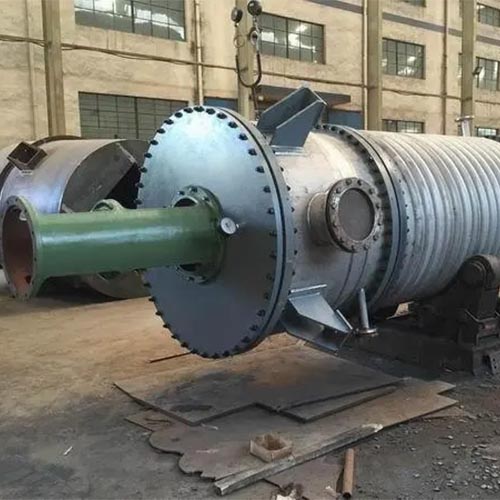
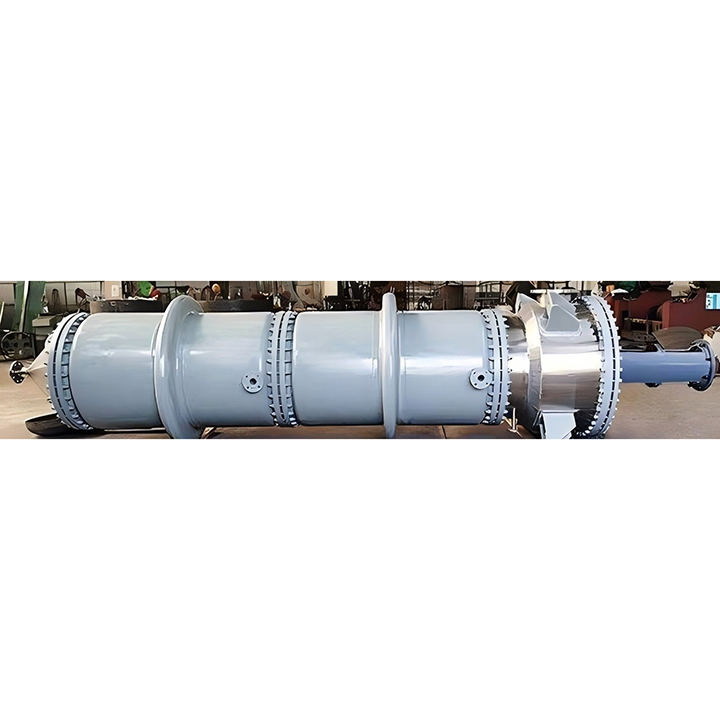
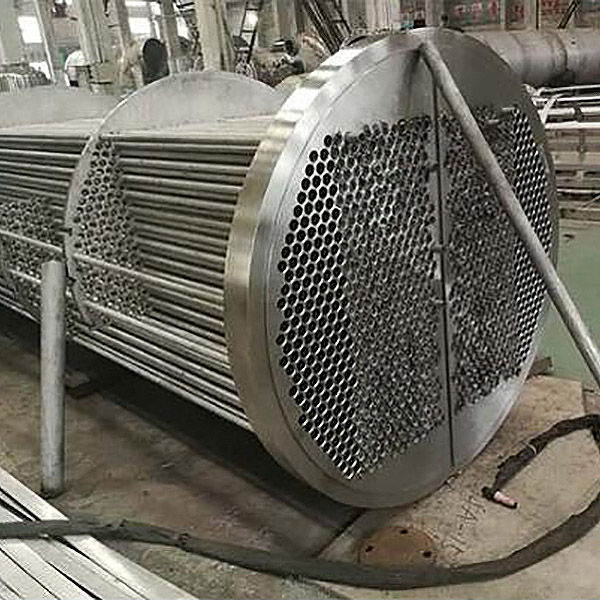
Shell and tube heat exchangers are one of the most widely used types in the industrial field. They mainly consist of an outer shell and inner tube bundles. One fluid flows inside the tube bundle (usually called the tube-side fluid), while the other flows in the space between the shell and the tube bundle (usually called the shell-side fluid). Heat is transferred from one fluid to the other through the tube walls. This design allows them to withstand high pressures and temperatures, making them particularly suitable for large-scale industrial fields such as petrochemicals and power generation that require high pressure and temperature resistance of equipment.
2. Plate Heat Exchangers
Plate heat exchangers are known for their high heat transfer performance and compact structure. They are composed of a series of corrugated or flat heat transfer plates stacked together, forming alternating hot and cold fluid channels between the plates. Hot and cold fluids flow countercurrently or cross-currently in their respective channels, exchanging heat through the thin plates. Plate heat exchangers have a large heat transfer area, high heat transfer efficiency, and are easy to disassemble and clean, so they are widely used in food processing, pharmaceuticals, heating, ventilation, and air conditioning and other occasions with high hygiene requirements or frequent maintenance needs for low-viscosity fluid processing.
3. Finned Tube Heat Exchangers
The design focus of finned tube heat exchangers is to increase the heat transfer area to improve heat exchange efficiency. They are equipped with many metal fins on the outer surface (sometimes also on the inner surface) of the base tube. These fins greatly expand the contact area with the fluid (usually gas, such as air), thereby enhancing the convective heat transfer effect. Finned tube heat exchangers are commonly used in occasions that require air cooling or heating, such as automobile radiators, evaporators and condensers of air conditioning systems, and air preheaters in industrial processes.
4. Double Pipe Heat Exchangers
Double pipe heat exchangers, also known as double-tube heat exchangers, have a relatively simple structure, consisting of two concentric sleeves. One fluid flows in the inner tube, and the other flows in the annular space between the inner and outer tubes. This design makes the structure compact, the manufacturing cost low, and easy to maintain. Double pipe heat exchangers are suitable for handling fluids with small flow rates, low pressure and temperature, or in specific occasions with limited space and corrosive fluids.
5. Spiral Heat Exchangers
The core structure of a spiral heat exchanger is two concentric spiral channels formed by rolling two metal plates. Hot and cold fluids flow in opposite directions (countercurrent arrangement) in their respective spiral channels to achieve efficient heat exchange. Its compact design not only saves space but also provides a long flow path and good turbulent state, which is conducive to improving heat transfer efficiency. Spiral heat exchangers are particularly suitable for handling highly viscous fluids or fluids that are prone to fouling, because their unique flow path helps reduce the formation of deposits.
Wide Application Fields of Heat Exchangers
The applications of heat exchangers cover almost all industries and fields that require heat management:
HVAC Systems: In heating, ventilation, and air conditioning systems, heat exchangers are used to heat or cool air, maintain comfortable and stable indoor temperatures, and are an indispensable part of modern buildings.
Power Generation Industry: In various power plants, heat exchangers are used in key links such as cooling steam, lubricating oil, and heating feed water, which are directly related to the improvement of power generation efficiency and the safe and stable operation of equipment.
Automotive Industry: The cooling system of automobile engines relies on heat exchangers (radiators) to dissipate excess heat and prevent engine overheating. At the same time, automobile air conditioning systems also rely on heat exchangers to achieve refrigeration and heating functions.
Chemical Processes: In chemical plants, heat exchangers are widely used in heating, cooling, condensation, evaporation and other process processes of various chemical reactions, which are of great significance for improving reaction efficiency and ensuring product quality.
Food and Beverage Field: In the processing of food and beverages, heat exchangers are used in multiple links such as heating, sterilization, cooling, evaporation, and crystallization of materials to ensure product safety and quality and improve production efficiency.
How to Choose the Right Heat Exchanger?
Choosing the right heat exchanger requires comprehensive consideration of multiple factors, including but not limited to: physical and chemical properties of the fluid (such as viscosity, corrosiveness, and tendency to fouling), operating temperature and pressure, required heat transfer amount and efficiency, available installation space, and operation and maintenance costs. Through careful evaluation and analysis of these factors, the most economical, efficient and reliable type of heat exchanger can be selected for a specific application scenario.
Conclusion
As an efficient heat transfer device, heat exchangers play an irreplaceable role in modern industrial production and daily life. From large industrial installations to small household equipment, they can be seen everywhere. Understanding the basic principles, different types and application characteristics of heat exchangers helps us better understand their importance and make wise choices in practical applications, thereby realizing effective energy utilization and promoting sustainable development."