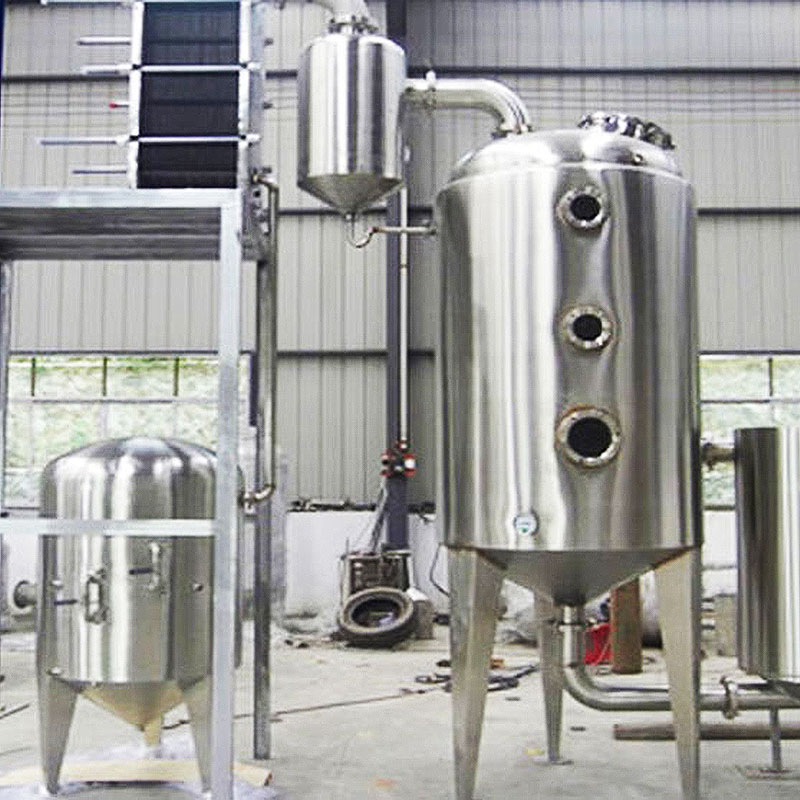
Working Principles of Thin-Film Evaporators
Thin-film evaporators (TFEs) operate on the core principle of forming a thin liquid film on a heated surface to maximize heat transfer efficiency and minimize material residence time. The evaporation process relies on the large heat transfer area per unit volume of the thin film and the high turbulence of the fluid, enabling rapid vaporization of volatile components. The working process consists of four key steps:
1. Feed Distribution
Raw material (liquid or viscous fluid) is pumped into the top of the evaporator and uniformly distributed onto the inner surface of the heated cylindrical shell via a specialized distributor. The distributor ensures the feed spreads into a continuous, thin film with a thickness typically ranging from 0.1 to 1 mm, avoiding localized pooling that would reduce heat transfer efficiency.
2. Thin-Film Formation
The film formation is driven by one of two mechanisms, depending on the TFE type:
- Gravity-driven formation: For falling-film evaporators, the liquid film flows downward along the heated wall under gravity, with turbulence enhanced by the downward flow velocity.
- Mechanical-driven formation: For wiped-film evaporators, rotating wiper blades or scrapers spread the liquid into a thin film and maintain its uniformity, even for high-viscosity materials.
In both cases, the thin film fully contacts the heated surface, and heat is transferred rapidly through conduction and convection.
3. Evaporation and Separation
Most thin-film evaporators operate under high vacuum conditions (absolute pressure 0.1–10 mbar), which lowers the boiling point of the feed material by 30–50℃ compared to atmospheric pressure. This vacuum environment prevents thermal degradation of heat-sensitive components while reducing energy consumption. As the thin film flows along the heated wall, volatile components vaporize instantly, forming a vapor stream that rises to the top of the evaporator. Non-volatile components or concentrated products remain in the liquid phase and flow to the bottom of the equipment.
4. Product Collection
The vapor stream enters a condenser, where it is cooled into a liquid (distillate) for recovery or further processing. A demister is installed to capture entrained liquid droplets, ensuring the purity of the distillate. The concentrated liquid product is discharged from the bottom outlet, with its concentration adjustable by controlling the feed rate, heating temperature, and vacuum level.
Thin-film evaporators are categorized into three main types based on film formation mechanisms, each with distinct structural features and application scopes:
1. Falling-Film Evaporators (FFEs)
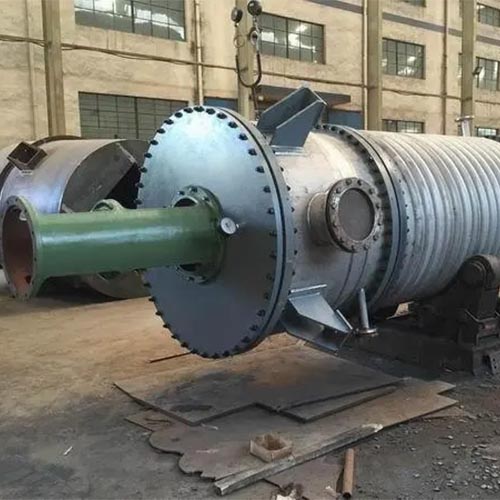
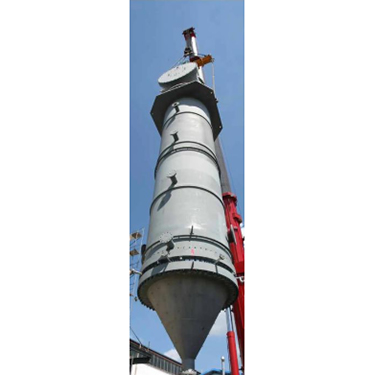
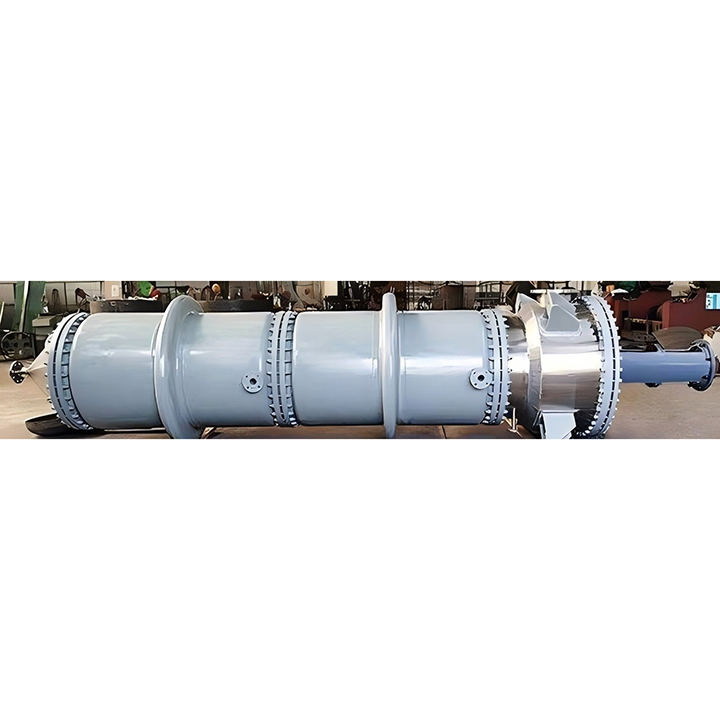
- Structural Features: Consist of a vertical heated shell, a top feed distributor, and a bottom product collector. No mechanical moving parts are involved, resulting in low maintenance costs.
- Technical Characteristics: High heat transfer coefficient (1000–3000 W/(m²·K)), short material residence time (5–20 seconds), and suitability for low-to-medium viscosity materials (<10,000 mPa·s). They are energy-efficient but require strict feed pretreatment to avoid distributor blockage.
2. Rising-Film Evaporators (RFEs)
- Structural Features: Similar to FFEs but with the feed introduced at the bottom. The vapor generated during heating drives the liquid film upward along the heated wall.
- Technical Characteristics: Excellent heat transfer performance for materials with moderate viscosity (10,000–50,000 mPa·s), and the upward vapor flow scours the tube wall to reduce scaling. They are ideal for heat-sensitive materials but not suitable for high-solid-content fluids.
3. Wiped-Film Evaporators (WFEs)
- Structural Features: Equipped with a rotating shaft with wiper blades inside the heated shell. The blades continuously spread the liquid into a thin film and scrape off any adhering scale or crystals.
- Technical Characteristics: Ultra-short residence time (1–5 seconds), ability to handle high-viscosity materials (up to 1,000,000 mPa·s) and fluids containing solid particles, and strong anti-fouling performance. The main drawbacks are high manufacturing and operating costs due to the mechanical scraping system.
Across all types, thin-film evaporators share key technical advantages:
- High Heat Transfer Efficiency: The thin liquid film minimizes thermal resistance, enabling rapid evaporation even at low heating temperatures.
- Thermal Sensitivity Compatibility: Short residence time and vacuum operation prevent degradation, oxidation, or polymerization of heat-sensitive materials such as pharmaceuticals, food ingredients, and polymer intermediates.
- Compact Structure: Small footprint relative to evaporation capacity, making them suitable for installation in space-constrained industrial plants.
- Flexible Operation: Can handle a wide range of feed concentrations and viscosities, with adjustable process parameters to optimize product quality.
Typical Industrial Applications of Thin-Film Evaporators
Thin-film evaporators are widely used in industries requiring high-efficiency evaporation and thermal protection of materials, with the following key application scenarios:
1. Pharmaceutical and Biotechnology Industry
TFEs are the core equipment for drug purification and solvent recovery. They are used to concentrate antibiotic fermentation broths, purify active pharmaceutical ingredients (APIs), and recover organic solvents (e.g., ethanol, methanol) from pharmaceutical intermediates. Wiped-film evaporators are particularly suitable for processing high-viscosity drug formulations and heat-sensitive herbal extracts, as they ensure the retention of bioactivity while achieving high concentration efficiency.
2. Food and Beverage Industry
In this industry, TFEs are used for concentrating heat-sensitive food materials to preserve nutritional value and flavor. Applications include concentrating fruit juice, vegetable puree, and dairy products (e.g., milk, whey), as well as extracting essential oils from spices and herbs. Falling-film evaporators are preferred for large-scale juice concentration, while wiped-film evaporators are used for processing high-viscosity materials such as honey and molasses.
3. Chemical and Petrochemical Industry
TFEs play a critical role in the production of specialty chemicals and petrochemical products. They are used to concentrate polymer solutions (e.g., polyethylene, polyvinyl alcohol), separate organic synthesis products, and recover solvents from paint and ink production wastewater. Rising-film evaporators are suitable for treating medium-viscosity chemical fluids, while wiped-film evaporators handle fouling-prone materials such as resin melts and catalyst-containing solutions.
4. New Energy Industry
With the rapid development of lithium-ion batteries, TFEs are increasingly used for purifying battery raw materials. They are applied to concentrate lithium carbonate and lithium hydroxide solutions, as well as to recover solvents from electrolyte production processes. The high-purity distillate produced by TFEs meets the strict quality requirements of battery manufacturing, making them an essential piece of equipment in the new energy supply chain.
5. Environmental Protection Industry
TFEs are used for treating industrial wastewater containing high concentrations of organic pollutants or salts. They evaporate water from the wastewater, concentrating contaminants into a small-volume residue for centralized disposal, while the reclaimed water can be reused in production. Wiped-film evaporators are particularly effective for treating high-viscosity, high-solid-content wastewater such as sludge filtrate and chemical plant effluent.
Market Prospects of Thin-Film Evaporators
The global thin-film evaporator market is poised for steady growth in the coming years, driven by multiple factors and emerging trends:
1. Market Growth Drivers
- Expansion of Downstream High-Growth Industries: The pharmaceutical, new energy, and food processing industries are experiencing rapid expansion, especially in emerging economies. The growing demand for high-purity products and efficient solvent recovery is a key driver for TFE market growth. For example, the global lithium-ion battery market’s expansion is boosting demand for TFEs used in battery raw material purification.
- Stringent Environmental Regulations: Governments worldwide are imposing stricter standards for industrial wastewater discharge and solvent emission. TFEs’ ability to recover solvents and reduce wastewater volume aligns with these regulations, driving their adoption in chemical, pharmaceutical, and printing and dyeing industries.
- Technological Advancements: Innovations in TFE design, such as the integration of mechanical vapor recompression (MVR) technology and intelligent control systems, are improving energy efficiency and operational stability. These advancements reduce the total cost of ownership for users, further stimulating market demand.
2. Emerging Market Trends
- Intelligent and Automated Operation: Modern TFEs are increasingly equipped with PLC-based control systems and online monitoring sensors. These systems enable real-time adjustment of process parameters (temperature, pressure, feed rate) and remote operation, reducing manual intervention and improving product quality consistency.
- Energy-Saving Technology Integration: Coupling TFEs with MVR systems or waste heat recovery units is becoming a mainstream trend. MVR-TFE systems recycle secondary vapor as a heat source, reducing energy consumption by 60–80% compared to traditional TFEs, making them highly attractive for energy-intensive industries.
- Customized Design for Specialized Applications: Manufacturers are developing customized TFE solutions for niche markets, such as ultra-high-purity pharmaceutical production and rare earth element separation. These customized products feature specialized materials (e.g., Hastelloy, titanium) and unique distributor designs to meet the specific needs of different industries.
- Regional Market Expansion: The Asia-Pacific region is expected to become the fastest-growing TFE market due to the rapid industrialization of countries such as China and India. The region’s large pharmaceutical and chemical manufacturing sectors, combined with increasing environmental awareness, will drive significant demand for TFEs in the coming decade.