Ethanol Rectification Tower: Process Principle, Structural Design and Industrial Purification Application
Release time:2026-05-12
Visits:8
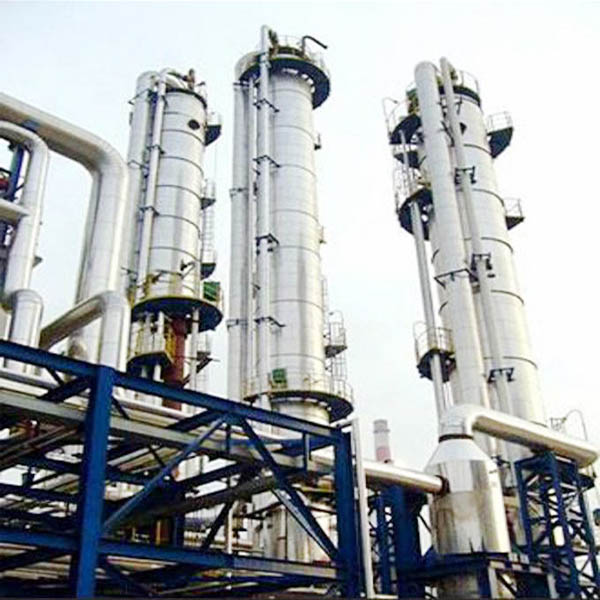
An ethanol rectification tower is a special chemical separation equipment designed for alcohol purification and concentration. Mostly manufactured from 304 or 316L stainless steel, this tower is professionally used to separate ethanol from water, fusel oil and other impurities. Different from ordinary distillation columns, the ethanol rectification tower adopts continuous vapor-liquid mass transfer to obtain high-purity ethanol. It is widely applied in alcohol production, pharmaceutical disinfection, fine chemical and new energy industries, serving as the core equipment of ethanol deep processing systems.
1. Main Structural Composition
The
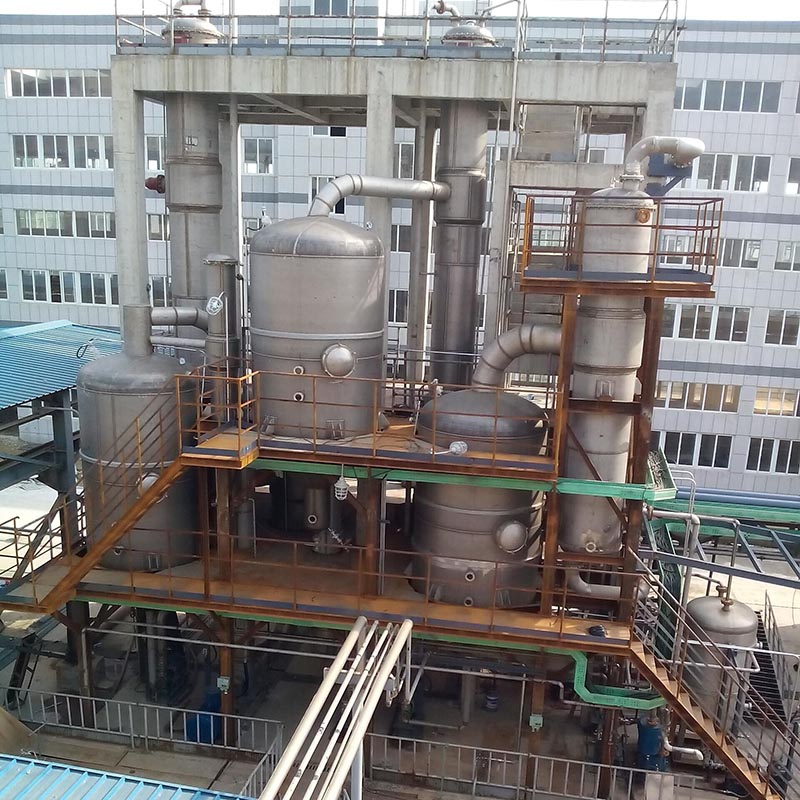
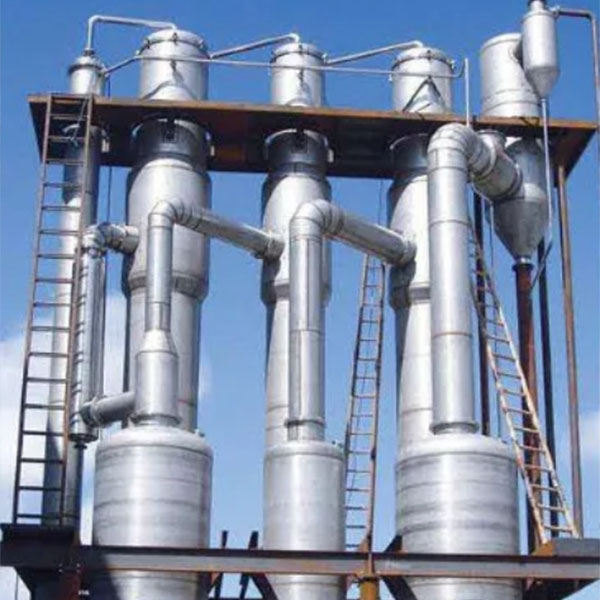
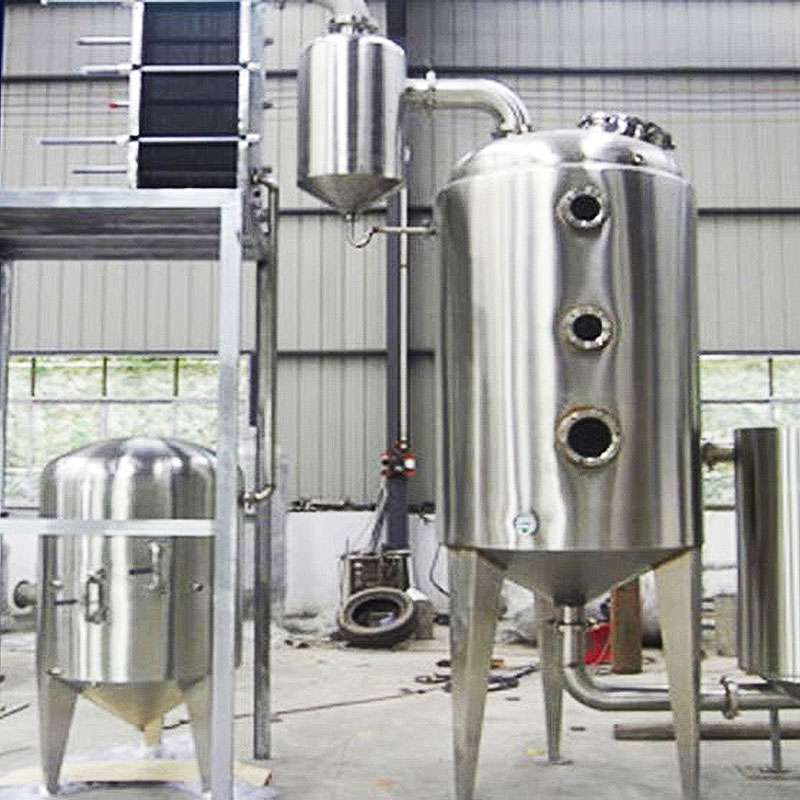
ethanol rectification tower consists of a tower body, packing or trays, reboiler, condenser, reflux tank and auxiliary pipeline system. The tower shell is rolled by thick stainless steel plates with excellent pressure resistance and sealing performance. Internally, high-efficiency structured packing or sieve plates are installed to extend the gas-liquid contact time. The reboiler provides continuous heating source for liquid vaporization, while the top condenser cools ethanol vapor into liquid. Equipped with precision temperature and pressure sensors, the tower can monitor real-time operating parameters to ensure stable purification efficiency.
2. Working Principle of Ethanol Purification
The purification process is based on the boiling point difference between ethanol and water. Under specific pressure conditions, ethanol has a lower boiling point than water. After the raw material feed liquid enters the tower, the bottom reboiler heats the mixed solution to produce rising ethanol vapor. During the upward flowing process, the vapor repeatedly contacts with the descending reflux liquid. Impurities such as water and fusel oil remain in the tower bottom due to higher boiling points, while high-purity ethanol vapor gathers at the top. After condensation and reflux circulation, the ethanol concentration is continuously improved to meet industrial or medical purity standards.
3. Technical Characteristics and Advantages
Ethanol rectification towers have unique technical advantages for alcohol processing. Firstly, the stainless steel structure is corrosion-resistant and hygienic, avoiding secondary contamination of ethanol and meeting food and pharmaceutical production standards. Secondly, the internal packing optimizes mass transfer efficiency, achieving high separation precision and low energy consumption. Thirdly, the automatic reflux control system stabilizes the alcohol concentration without frequent manual adjustment. In addition, the closed circulating structure effectively reduces ethanol volatilization loss and improves production safety.
4. Industrial Application Scenarios
Ethanol rectification towers cover various alcohol-processing industries. In biochemical engineering, they purify fermented crude alcohol into high-purity edible ethanol. In pharmaceutical manufacturing, they produce medical-grade sterile ethanol for disinfection and extraction. In chemical factories, they recycle waste ethanol solvent to reduce production costs. Furthermore, they are indispensable equipment for fuel ethanol processing and daily chemical alcohol raw material production.
5. Conclusion and Development Prospect
With the increasing demand for high-purity alcohol in modern industry, ethanol rectification towers are continuously optimized toward energy saving, high efficiency and intelligent automation. Upgraded internal packing and heat recovery systems effectively reduce energy consumption. In summary, the ethanol rectification tower remains the most reliable professional equipment for alcohol purification. Its stable separation performance and hygienic structure provide strong guarantees for standardized production in pharmaceutical, food and fine chemical industries.