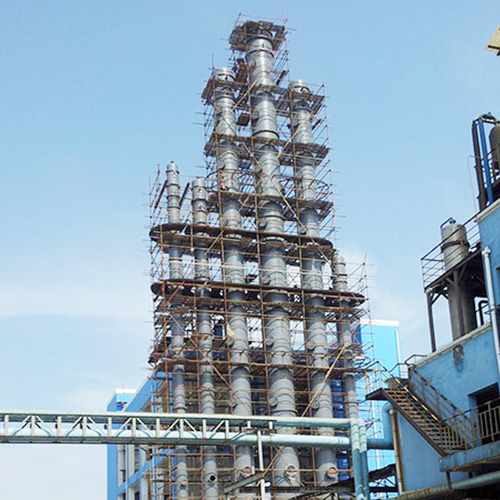
Stainless Steel Distillation Column: Structure, Working Principle and Industrial Application
Release time:2026-05-12
Visits:10
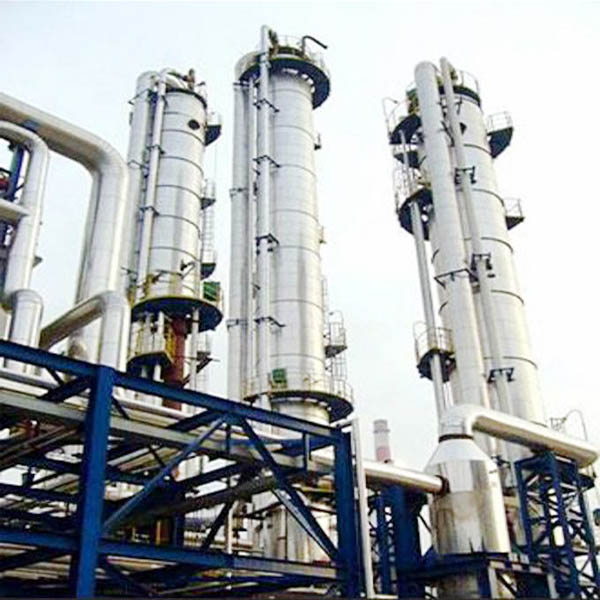
A stainless steel distillation column is a vertical tower-type separation equipment widely used in chemical, pharmaceutical, petrochemical and food processing industries. Made of high-quality stainless steel materials such as 304 and 316L, this pressure vessel realizes physical separation of mixed liquids based on the difference in boiling points of each component. With excellent corrosion resistance, high-temperature stability and airtight performance, stainless steel distillation columns have become the core equipment for medium purification, solvent recovery and liquid fractionation in modern industrial production.
1. Basic Structural Composition
The
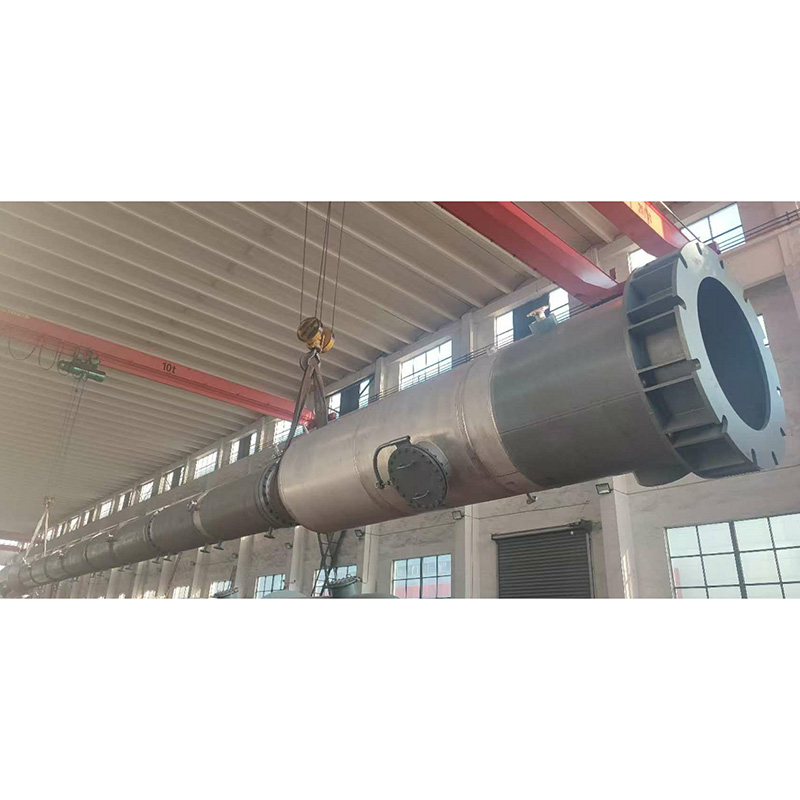
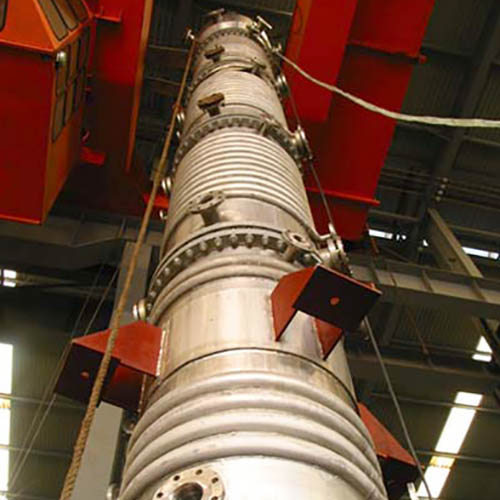
stainless steel distillation column adopts an integrated vertical tower structure, mainly including the tower shell, internal trays or packing layers, reboiler, condenser, feeding port, discharge outlet and manhole. The tower shell is rolled and welded by thickened stainless steel plates to ensure overall rigidity and pressure resistance. Inside the tower, structured packing or sieve trays are evenly arranged to increase the contact area between gas and liquid phases. The supporting legs and anti-vibration structure ensure stable operation. All connecting welds are subjected to strict pressure testing and leakage detection to meet industrial pressure vessel standards.
2. Working Principle and Separation Process
The separation principle depends on vapor-liquid mass transfer and heat exchange. During operation, the mixed raw liquid is heated by the bottom reboiler to generate steam. The rising hot vapor contacts with the descending cold liquid inside the tower. Components with low boiling points are continuously vaporized and condensed upward, while high-boiling impurities flow downward. Through repeated gas-liquid exchange inside the tower, each component is gradually stratified and purified. Finally, the high-purity finished product is collected from the top outlet, and heavy impurities are discharged from the tower bottom.
3. Key Performance Advantages
Compared with carbon steel distillation towers, stainless steel distillation columns have outstanding industrial advantages. Firstly, stainless steel materials resist acid, alkali and chemical corrosion, avoiding rust contamination and ensuring product purity. Secondly, the smooth inner surface reduces material adhesion and is convenient for cleaning and sterilization. Thirdly, it can withstand high temperature and vacuum working conditions, adapting to complex distillation processes. In addition, the welded structure has good airtightness, which prevents volatile gas leakage and improves production safety.
4. Main Industrial Application
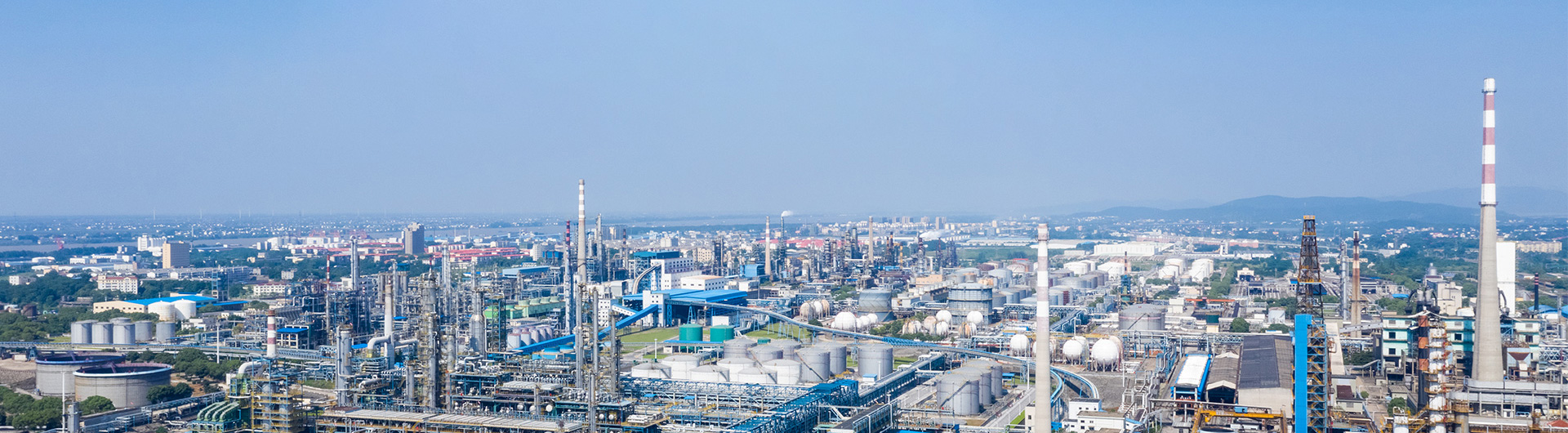
Stainless steel distillation columns are widely used in fine chemical and purification industries. In pharmaceutical manufacturing, they are used for alcohol purification and medical solvent refining. In petrochemical industry, they separate gasoline, diesel and various hydrocarbon mixtures. In food and beverage production, they purify edible alcohol and fermentation liquid. Moreover, they are essential equipment for waste liquid recovery, chemical raw material fractionation and environmental protection waste gas treatment.
5. Conclusion and Development Trend
With the upgrading of industrial purification standards, stainless steel distillation columns are developing toward high vacuum, energy saving and intelligent control. Optimized internal packing structure improves mass transfer efficiency, and precision polishing technology further enhances sanitation performance. In conclusion, the stainless steel distillation column is an indispensable separation device in modern chemical industry. Its stable purification capacity and corrosion resistance provide reliable technical support for high-purity raw material production and industrial waste recycling.